Keeping a commercial office consistently clean takes more than the occasional scrub-down. It requires intentional systems, clear expectations, and the right professional support. Whether you manage a small professional office or a larger multi-department facility, these 13 tips will help you maintain standards that serve both your team and your clients.
1. Set a Professional Cleaning Baseline
Before anything else, define what "clean" means for your specific facility. Document standards for each area — reception, workstations, restrooms, break rooms, hallways. A vague standard produces inconsistent results. A documented standard gives cleaning staff and employees alike a reference point.
This baseline becomes the scope of work for a professional janitorial service and the expectation set for internal maintenance between service visits.
2. Prioritize High-Touch Surfaces Daily
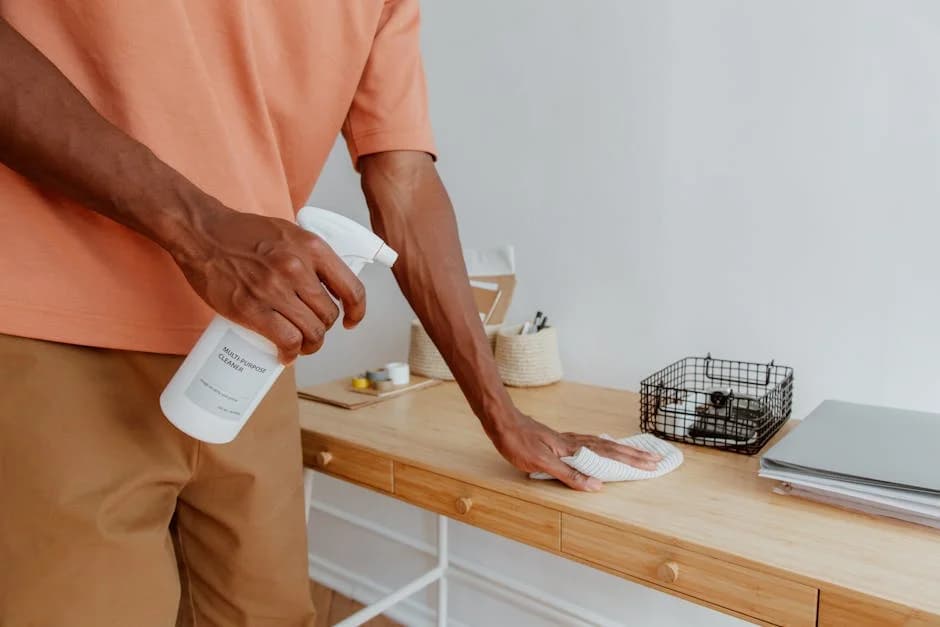
High-touch surfaces — door handles, light switches, shared keyboards and phones, elevator buttons, faucet handles, copier and printer controls — accumulate bacteria faster than any other surfaces in an office environment. These points need daily sanitization, not just when they look dirty.
Assign daily disinfection of these surfaces as a non-negotiable task, either as part of a professional cleaning schedule or as a brief internal routine.
3. Address Restrooms on a Strict Schedule
Restroom cleanliness has a disproportionate impact on how employees and visitors perceive your overall facility. A dirty restroom in an otherwise clean office undermines all of your other maintenance efforts.
Restrooms in commercial offices should be cleaned and sanitized daily at a minimum. High-traffic facilities benefit from multiple cleanings per day. Supplies — soap, paper products, hand sanitizer — should be checked and restocked every day without exception.
4. Keep Break Rooms and Kitchens on a Tight Routine
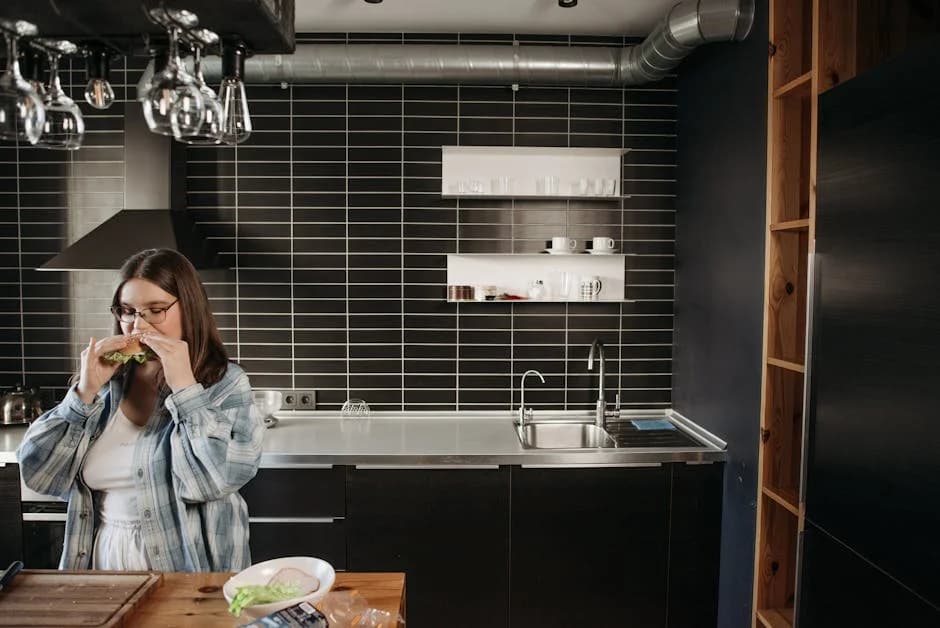
Break rooms are the most likely origin point for pest activity and unpleasant odors in office environments. Food residue, improperly stored items, and dirty dishes attract insects and rodents while creating an uncomfortable environment for employees.
Enforce simple break room rules: dishes washed and put away before leaving, food properly sealed in the refrigerator, counters wiped after use. Back this up with daily professional cleaning that includes interior surface wipe-down, floor mopping, and trash removal.
5. Implement a Clean Desk Policy
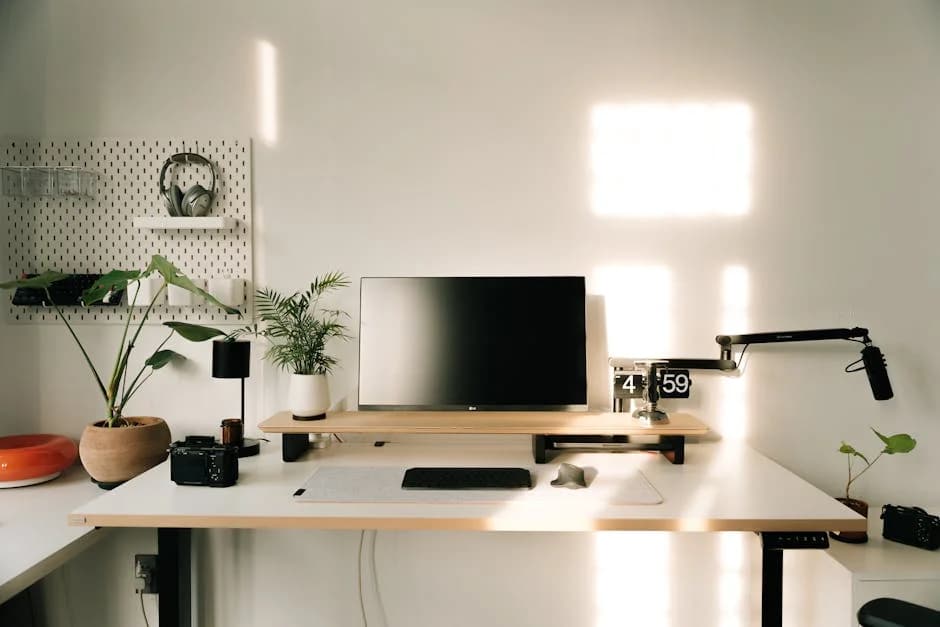
Cluttered desks and workstations make cleaning harder and create the perception of a disorganized environment. A clean desk policy that asks employees to clear their work surfaces at the end of each day makes professional cleaning more effective and sets a consistent visual standard throughout the office.
This is particularly important in open-plan offices where workstation appearance directly affects the overall look of the space.
6. Manage Entry and Exit Points
Office entrances accumulate dirt, dust, debris, and outdoor contaminants faster than any interior area. Entry mats, both exterior and interior, trap significant amounts of particulate before it is tracked deeper into the facility. These mats should be shaken or vacuumed daily.
Glass entry doors and panels should be cleaned of fingerprints and smudges daily — these are the first surface visitors touch and one of the first things they see.
7. Don't Neglect the Floor Program
Floors take a beating in commercial office environments. Consistent daily vacuuming and mopping handles surface dirt, but a complete floor care program requires periodic attention to deeper maintenance.
Hard floors should be scrubbed and refinished on a schedule appropriate to their traffic level. VCT floors in particular benefit from regular buffing and periodic strip-and-wax to maintain their appearance and protect the surface from permanent damage. Carpeted areas need professional extraction cleaning at least annually, more frequently in high-traffic areas.
A professional floor care service handles this specialized work more effectively than routine janitorial staff and extends the life of your flooring investment significantly.
8. Schedule Periodic Deep Cleaning
Even the best routine cleaning program cannot address every area on every visit. Deep cleaning sessions — at least quarterly, or more frequently based on your facility's needs — cover the areas that accumulate buildup over time: under furniture, inside appliances, above ceiling tile level, behind fixtures, and in areas not accessible during routine service.
Deep cleaning also typically includes tasks like comprehensive window cleaning, thorough restroom scrubbing beyond daily maintenance, and detail cleaning of break room equipment. A professional deep cleaning session is a complement to, not a replacement for, routine janitorial service.
9. Work with a Professional Cleaning Provider
The most important decision in office cleaning is choosing the right professional partner. Internal staff handling cleaning duties — regardless of their effort and intentions — cannot match the effectiveness, consistency, and specialized capability of a trained commercial cleaning team.
A professional provider delivers trained, vetted staff with proper equipment, commercial-grade products, documented service, liability insurance, and expertise built from cleaning hundreds of commercial facilities. The cost per square foot of professional cleaning is typically lower than the true cost of managing cleaning internally when all factors are considered.
When evaluating providers, look for:
- Documented training and certification programs
- Liability insurance and bonding
- Clear service agreements with defined scope and frequencies
- References from comparable commercial facilities
- Flexible scheduling that minimizes disruption to your operations
10. Use the Right Products and Equipment
The products and tools used in office cleaning matter more than most businesses realize. Wrong products can damage surfaces, leave residue, or fail to actually disinfect.
Disinfect versus clean. Cleaning removes visible dirt. Disinfecting kills pathogens. These are different functions requiring different products. High-touch surfaces in offices should be disinfected — not just wiped down — using EPA-registered products applied with proper dwell time.
Avoid products that damage surfaces. Harsh chemicals can degrade wood finishes, electronics, and specialty surfaces. Verify that cleaning products are appropriate for each surface type before use.
Maintain equipment properly. Vacuums with full bags lose suction and redistribute dust rather than collecting it. Mops and cleaning cloths that are not properly laundered spread bacteria rather than removing it. Equipment maintenance is part of an effective cleaning program.
Stock supplies proactively. Running out of soap, paper towels, or trash liners creates hygiene gaps. Establish a supply management process that ensures restocking before items run out.
11. Reduce Clutter at the Source
A clean office and an organized office go hand-in-hand. Clutter makes cleaning harder, creates the perception of disorder, and harbors dust and allergens that affect air quality.
Minimize paper accumulation. Paper is a major dust collector and clutter contributor. Digital document management reduces paper volume and makes surface cleaning faster and more thorough.
Designate storage zones. Equipment, supplies, and materials without a designated storage location tend to accumulate on surfaces that should be clear. Creating and labeling storage areas reduces surface clutter significantly.
Manage common area items. Magazines, promotional materials, and communal items in waiting areas need regular culling. Outdated or excess items create visual clutter and complicate cleaning.
12. Build a Culture of Cleanliness
The most thorough professional cleaning will degrade quickly if employees do not maintain basic cleanliness standards between service visits.
Lead by example. Leadership behavior sets the tone for workplace culture, including cleanliness. When managers maintain their own workspaces and common areas, employees follow suit.
Communicate expectations clearly. Post simple guidelines in break rooms, restrooms, and common areas outlining what employees are responsible for: dishes, food storage, trash disposal, and basic tidying.
Provide the tools to succeed. If you expect employees to wipe down their workstations, make cleaning wipes accessible. Barriers to compliance undermine expectations.
Address issues promptly. Spills, broken items, and maintenance issues that go unaddressed signal that cleanliness standards are not a priority. Prompt response reinforces that maintaining the facility matters.
13. Account for Tampa's Seasonal Factors
Florida's climate creates specific cleaning challenges that businesses in the region need to address proactively:
Hurricane season preparation. Post-storm cleanup, water intrusion management, and mold prevention require immediate professional response. Having a commercial cleaning relationship established before storm season ensures faster response when needed.
Summer humidity and mold risk. Extended humid periods increase mold and mildew risk in areas with water exposure, poor ventilation, or temperature fluctuations. Proactive cleaning and humidity control (maintaining 40–60% indoor humidity) reduce this risk substantially.
Increased outdoor allergens. Pollen and outdoor particulates tracked into the office increase during certain seasonal periods. More frequent vacuuming and air filter changes during these periods help manage allergen levels.
Visitor traffic patterns. Holiday periods, tax season, and industry-specific busy seasons affect foot traffic and cleaning frequency requirements. Adjust service schedules to match actual occupancy patterns throughout the year.
Implementing these 13 practices consistently will transform the cleanliness and presentation of your office environment. The combination of clear standards, employee accountability, the right products, and professional janitorial support creates a workplace that employees are proud of and clients notice immediately.
Ready to elevate your office cleaning program? Request a free quote from Mega Service Solutions and get a customized plan for your facility.
Frequently Asked Questions
What should businesses know about 13 keeping your office clean?
Professional 13 keeping your office clean from Mega Service Solutions is tailored to your facility's specific needs and industry requirements. We conduct a free facility assessment before recommending a service plan, ensuring the scope, frequency, and methods match your operational environment. All services are performed by trained, background-checked crews using commercial-grade equipment.
How much does professional 13 keeping your office clean cost for a commercial facility?
Cost depends on facility size, service frequency, scope of work, and access requirements. Mega Service Solutions provides free, no-obligation assessments and custom quotes for every facility. Call (813) 501-5001 or submit a quote request at megasvs.com to receive a proposal tailored to your facility.
Does Mega Service Solutions serve businesses throughout Florida?
Yes. Mega Service Solutions is headquartered in Tampa, FL and serves businesses statewide — including Tampa, Orlando, Miami, Jacksonville, Fort Lauderdale, Clearwater, St. Petersburg, Sarasota, Fort Myers, Naples, Tallahassee, Boca Raton, and Hollywood. We also serve clients nationwide. Call (813) 501-5001 or visit megasvs.com/get-a-quote to request a free assessment.
How do I get a quote from Mega Service Solutions?
Getting a quote is simple. Call us at (813) 501-5001 (available 24/7) or submit a request at megasvs.com/get-a-quote. We'll schedule a free, no-obligation facility walkthrough, assess your needs, and provide a custom proposal within 24–48 hours. There's no commitment required.
Written by
Mega Service Solutions
Tampa’s SBE & MBE certified commercial cleaning experts. Serving 500+ businesses across Florida. Learn more about our team and commitment to quality.
About our team →