Medical facility cleaning is one of the highest-stakes applications of commercial cleaning services. The wrong cleaning protocol in a medical setting does not just mean a dull floor or a streaked window — it can contribute to healthcare-associated infection (HAI) transmission, regulatory violations, and real harm to patients whose health is already compromised.
The benefits of professional medical facility cleaning, done at the appropriate standard, extend well beyond surface appearance. This post examines the specific, measurable advantages of proper clinical cleaning for medical offices, outpatient clinics, specialty practices, and healthcare-adjacent facilities.
Benefit 1: Reduced Healthcare-Associated Infection Risk
Healthcare-associated infections (HAIs) are infections that patients acquire while receiving care. The CDC estimates that on any given day, about 1 in 31 hospital patients has at least one HAI. While most HAI research focuses on acute care hospitals, the contamination dynamics are relevant to any clinical environment — including medical and dental offices where patients with active infections interact with shared surfaces.
The environmental contribution to HAI transmission is well-documented. Pathogens including MRSA, VRE, C. difficile, and norovirus can survive on environmental surfaces from hours to weeks. C. difficile, in particular, forms spores that are resistant to standard alcohol-based hand sanitizers and many common disinfectants — requiring sporicidal EPA-registered products applied with correct dwell time.
Professional cleaning vendors trained for healthcare facilities use products registered for healthcare settings, apply them at correct concentrations with observed dwell time, and follow zone-specific protocols that prevent cross-contamination between exam rooms, waiting areas, and restrooms. General commercial cleaning vendors applying standard products without healthcare-specific training cannot achieve the same pathogen reduction outcomes.
The measurable benefit: facilities that implement rigorous environmental cleaning protocols consistently demonstrate lower pathogen surface counts and, in research settings, lower HAI rates. For outpatient practices, this translates directly to reduced risk of transmitting illness from one patient to another through environmental contact.
Benefit 2: Regulatory Compliance and Inspection Readiness
Medical offices in Florida operate under multiple regulatory frameworks that include environmental cleaning standards:
Florida Department of Health (DOH): Outpatient medical facilities in Florida are subject to state inspection. Environmental cleaning is evaluated as part of infection control compliance. Facilities found with inadequate cleaning protocols or inappropriate products face citations, required remediation, and potential effect on operating licenses.
OSHA Bloodborne Pathogen Standard: Cleaning vendors assigned to medical facilities must be trained on the OSHA Bloodborne Pathogen Standard (29 CFR 1910.1030), which covers handling of blood and other potentially infectious materials. An uncertified vendor in a medical environment creates employer liability exposure.
Medicare/Medicaid Conditions of Participation: Facilities that accept Medicare or Medicaid reimbursement are subject to conditions of participation that include infection control standards. Environmental cleaning is evaluated in CMS surveys.
CMS and accreditation bodies: Facilities seeking accreditation from The Joint Commission, AAAHC, or similar bodies are evaluated on documented infection control practices including environmental cleaning protocols.
Professional medical cleaning vendors maintain documentation of training, product selection, and cleaning protocols that supports regulatory compliance. They can provide records demonstrating that staff are trained on bloodborne pathogen standards, that EPA-registered healthcare products are used, and that cleaning protocols meet the standard of care expected in clinical environments.
A general commercial cleaning vendor cannot provide this documentation because their service is not designed for healthcare compliance.
Benefit 3: Patient Perception and Trust
Patients evaluate medical facilities partly on cleanliness. Research on patient satisfaction consistently identifies facility cleanliness as a significant factor in overall satisfaction scores and in the likelihood to return and recommend. This is not simply about aesthetics — patients correctly understand that a visibly clean medical facility is more likely to maintain the invisible cleaning standards (disinfection, cross-contamination prevention) that protect their health.
For practices where patient retention and referrals are a business objective, the patient experience in a clean, well-maintained environment is a competitive asset. A waiting room with visible dirt, stained flooring, or visibly soiled surfaces sends a specific message to patients about the practice's standards.
The inverse is equally true: patients who observe a visibly clean, organized facility develop confidence in the care they are about to receive. That confidence is not irrational — it is associated with actual differences in underlying cleanliness standards.
Benefit 4: Staff Safety and Reduced Occupational Risk
Cleaning staff in medical facilities face occupational hazards that do not exist in standard commercial cleaning environments:
- Potential exposure to blood and other potentially infectious materials
- Exposure to pharmaceutical waste if improperly disposed
- Exposure to sharps if not properly contained
- Exposure to cleaning chemicals without adequate training or PPE
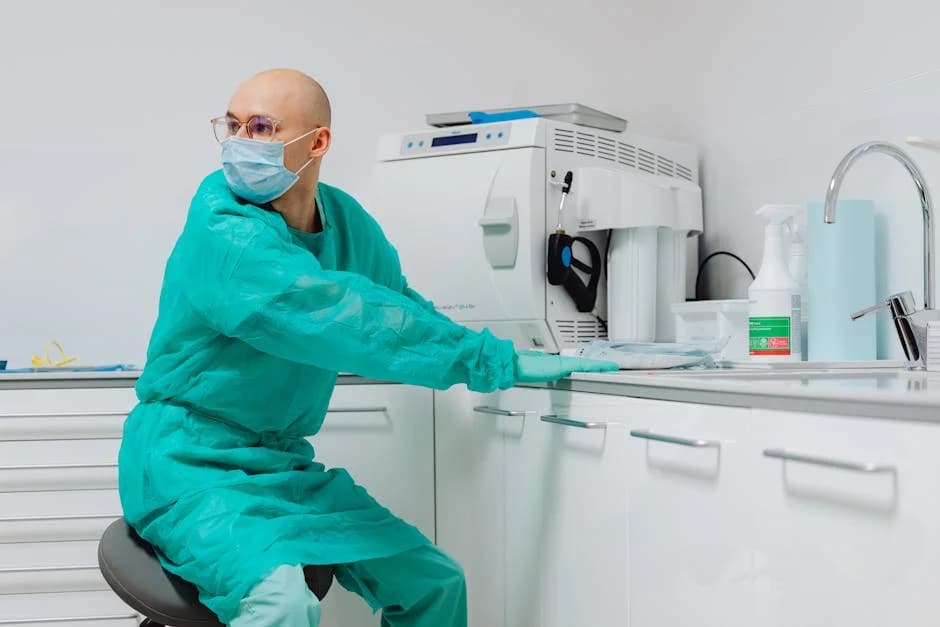
Professional medical cleaning vendors train their staff specifically for these risks, provide appropriate PPE, maintain documentation of training, and have documented protocols for exposure incidents. This protects not only the cleaning staff but the medical practice, which bears responsibility for the safety of anyone working in the facility.
Beyond the cleaning staff, clinical environments maintained by properly trained professionals are safer for medical staff who work in the facility daily. Reduced pathogen burden from appropriate cleaning directly reduces occupational infection risk for physicians, nurses, administrative staff, and other healthcare workers.
Benefit 5: Asset Protection and Longevity
Medical facilities contain significant capital investments in flooring, furniture, finishes, and equipment. Improper cleaning — wrong products for the surface type, excessive moisture, abrasive techniques — damages these assets.
Specifically:
Flooring: Many medical facilities use luxury vinyl tile or sheet vinyl with antimicrobial properties. These floors require specific care — cleaning products that are pH-neutral and compatible with the floor's finish. Harsh alkaline or acidic products degrade finish coatings and void manufacturer warranties. Professional floor care services for medical environments use appropriate products and apply deep cleaning techniques that maintain floor integrity.
Equipment surfaces: Stainless steel equipment, examination tables, cabinetry, and countertop surfaces require cleaning products that sanitize without corroding or discoloring. Bleach-based products used on inappropriate surfaces cause pitting and staining that degrades both appearance and hygienic properties.
Upholstery: Waiting area and exam room upholstery in medical settings requires cleaning with products that sanitize while maintaining fabric integrity. Improper cleaning damages upholstery material and shortens replacement intervals.
Professional vendors match product selection to surface type, extending asset life and reducing replacement costs.
Benefit 6: Liability Risk Reduction
The liability exposure of inadequate medical facility cleaning is real and significant. If a patient contracts an illness traceable to a contaminated surface in a medical facility — and such cases do result in legal action — the facility's documented cleaning protocol and the professionalism of the cleaning vendor are directly relevant to the liability analysis.
A facility that can demonstrate documented use of appropriate EPA-registered healthcare disinfectants, staff trained on proper protocols, observed dwell times, and zone-specific cross-contamination prevention is in a fundamentally different legal position than a facility using an undertrained general cleaning vendor with consumer-grade products.
The liability cost of a single healthcare-associated infection case — medical costs, legal fees, settlement, reputational damage — far exceeds the cost differential between professional healthcare cleaning and substandard service.
Benefit 7: Operational Continuity
Medical practices operate on tight schedules with patient care as the continuous priority. A cleaning program that disrupts patient care, leaves surfaces wet at the wrong times, or requires coordination overhead from clinical staff is itself a cost.
Professional medical cleaning vendors schedule service to minimize disruption — typically during non-patient hours for major cleaning tasks, with documented protocols for high-frequency daytime attention to restrooms and waiting areas. They communicate proactively about access requirements, chemicals used, and any conditions found that affect the facility (water leaks, pest evidence, damaged surfaces) so clinical staff are not discovering problems independently.
This operational reliability is part of what professional service delivers that informal or undertrained cleaning arrangements cannot.
Evaluating Your Current Cleaning Program
If your medical facility currently uses a general commercial cleaning vendor, assess your program against these questions:
- Can the vendor provide EPA registration information for the disinfectants used?
- Is documented OSHA Bloodborne Pathogen training on file for all staff assigned to your facility?
- Does the cleaning protocol specify different procedures for exam rooms, waiting areas, and restrooms?
- Is dwell time observed for disinfectants?
- Is color-coded equipment used to prevent cross-contamination between zones?
- Does the vendor provide documentation of service that supports your compliance records?
If the answers to these questions are no or uncertain, your facility is not receiving medical-grade cleaning regardless of what the contract says.
Mega Service Solutions provides professional cleaning for medical offices, dental practices, and outpatient facilities throughout Tampa Bay. Our healthcare cleaning programs include trained staff, EPA-registered products, documented protocols, and service designed for clinical environments. Request a quote to discuss your facility's specific cleaning requirements.
Frequently Asked Questions
What cleaning standards apply to healthcare facilities in Florida?
Florida healthcare facilities are regulated by the Agency for Health Care Administration (AHCA) and must meet infection control standards including OSHA bloodborne pathogen protocols, CDC environmental hygiene guidelines, and accreditation standards from The Joint Commission or AAAHC. Mega Service Solutions trains crews in healthcare-specific protocols and uses EPA-registered hospital-grade disinfectants.
How is cleaning a medical facility different from regular commercial cleaning?
Healthcare cleaning requires higher disinfection standards, proper handling of potentially contaminated materials, knowledge of infection control zones, and use of hospital-grade products. Technicians must understand isolation room protocols, sterile field boundaries, and proper PPE usage. Mega Service Solutions specializes in healthcare cleaning with trained, background-checked crews.
Does Mega Service Solutions serve businesses throughout Florida?
Yes. Mega Service Solutions is headquartered in Tampa, FL and serves businesses statewide — including Tampa, Orlando, Miami, Jacksonville, Fort Lauderdale, Clearwater, St. Petersburg, Sarasota, Fort Myers, Naples, Tallahassee, Boca Raton, and Hollywood. We also serve clients nationwide. Call (813) 501-5001 or visit megasvs.com/get-a-quote to request a free assessment.
How do I get a quote from Mega Service Solutions?
Getting a quote is simple. Call us at (813) 501-5001 (available 24/7) or submit a request at megasvs.com/get-a-quote. We'll schedule a free, no-obligation facility walkthrough, assess your needs, and provide a custom proposal within 24–48 hours. There's no commitment required.
Written by
Mega Service Solutions
Tampa’s SBE & MBE certified commercial cleaning experts. Serving 500+ businesses across Florida. Learn more about our team and commitment to quality.
About our team →