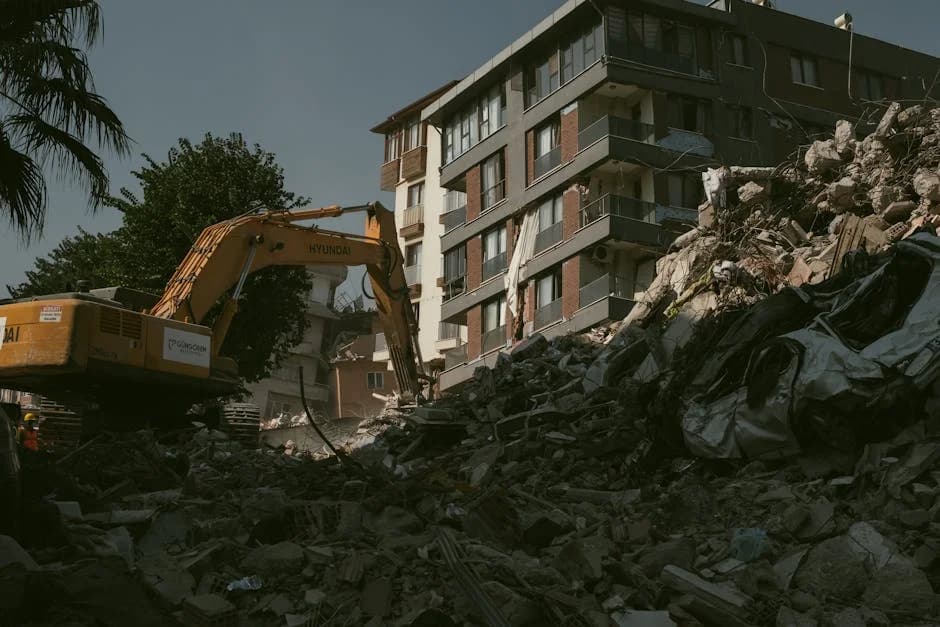
Post-construction cleaning is a specialized service that requires different capabilities, equipment, and protocols than routine commercial cleaning. Choosing the wrong provider results in delays to your opening, substandard cleaning that creates problems with occupants, and potential warranty or inspection issues.
Choosing the right provider — one with genuine experience in construction cleanup, appropriate equipment, and a clear process — delivers a facility that is genuinely ready for occupancy on schedule.
Here are the four most important factors to evaluate when selecting a post-construction cleaning company.
1. Verify Genuine Post-Construction Experience
The most important distinction in evaluating cleaning companies for construction cleanup is whether they have real experience with construction projects — not just commercial cleaning experience in general.
Post-construction cleaning requires specific knowledge that general commercial janitorial service does not provide:
- Removing construction adhesive, paint overspray, caulk, and grout residue from finished surfaces without damaging them
- Cleaning construction dust from HVAC systems, ductwork, and vents properly
- Removing labels, stickers, and protective films from windows, fixtures, and appliances
- Addressing concrete dust, which behaves differently than standard commercial cleaning challenges
- Working in phased coordination with construction teams rather than as an independent operation
Ask specifically: How many construction cleanup projects of similar scope have you completed? Can you provide references from projects with comparable square footage and construction type? What specific challenges did those projects present, and how did you handle them?
A company with genuine construction cleanup experience will answer these questions with specifics. One without it will answer in generalities.
2. Assess Equipment and Staffing Capacity
Post-construction cleaning is labor-intensive and equipment-intensive. The scale of materials required to clean a newly constructed commercial facility efficiently often far exceeds what a standard janitorial operation carries.
For construction cleanup, appropriate equipment includes:
- Industrial HEPA vacuums capable of handling construction dust volumes (standard vacuums distribute fine construction dust rather than capturing it)
- Truck-mounted or industrial wet extraction equipment for floor cleaning
- High-reach cleaning equipment for ceilings, overhead surfaces, and windows in tall spaces
- Floor care equipment appropriate for the floor types in the project
- Appropriate vehicles and waste disposal capacity for debris and packaging removal
Ask the provider to describe their equipment for construction projects specifically. A company that lists the same equipment they use for nightly office cleaning is not equipped for construction cleanup at commercial scale.
Staffing capacity is equally important. Construction projects have fixed handover dates. If the cleaning company cannot staff the project at the level required to complete the scope on schedule, your opening date is at risk. Ask how many staff members they would deploy, and confirm they can commit to that staffing level for your specific dates.
3. Clarify Scope and Phasing Approach
Vague scope definitions in post-construction cleaning agreements lead to gaps and disputes. Before signing any agreement, ensure the scope of work addresses the following clearly:
Debris removal: Is the cleaning company responsible for removing construction debris, packaging, and waste? Is there a dumpster or disposal cost included? This is often a point of confusion when the general contractor assumes the cleaning team handles debris and the cleaning team assumes the GC has cleared it.
HVAC system cleaning: Construction dust infiltrates ductwork and HVAC systems extensively. Cleaning HVAC registers, grilles, and accessible ductwork should be part of the construction cleaning scope. If the project requires professional duct cleaning, this should be addressed explicitly.
Window and glass: Construction film, adhesive labels, paint overspray, and caulk residue on windows and glass partitions require specialized removal that differs from standard window cleaning. Confirm this is included.
Floor types: Each floor surface in the project — concrete, VCT, tile, hardwood, carpet — requires specific cleaning procedures. The scope should address each floor type explicitly.
Final vs. rough cleaning: Is the scope a single comprehensive final clean, or does it include phased cleaning during construction? Phased cleaning (rough clean during construction, detail clean at completion) is often more effective and less expensive overall.
Punch list support: Will the cleaning company be available to address cleaning-related punch list items after initial cleaning is complete? Some general contractors require touch-up cleaning after punch list work by trades.
4. Confirm Insurance, Bonding, and Licensing
Post-construction cleaning occurs in environments where expensive finished surfaces and newly installed equipment are present. The stakes for damage are high. Insurance verification is not optional.
Verify:
- General liability insurance at coverage levels appropriate for the value of the project and the assets present
- Workers' compensation for all cleaning staff who will work on the project
- Bonding that covers any potential theft or damage
In Florida, commercial cleaning businesses require appropriate business licensing. Verify that the company is properly licensed to operate in the state and, if applicable, in your specific county or municipality.
Ask for certificates of insurance naming your organization as an additional insured on the project. A reputable provider will produce these without hesitation. One that resists or delays providing documentation is a red flag.
Putting It Together: The Evaluation Process
When you have identified candidate construction cleaning providers:
- Request references from similar projects and call them specifically to ask about quality, schedule adherence, and responsiveness
- Request a facility walk-through so the provider can assess the actual scope and provide an accurate proposal — avoid accepting proposals from providers who have not visited the site
- Compare proposals on the specificity of scope, not just price — a more detailed proposal indicates more thorough planning
- Confirm equipment and staffing capacity for your specific project dates
- Verify insurance documentation before signing any agreement
A post-construction cleaning company that passes all of these evaluations is positioned to deliver the clean, move-in ready facility your project requires.
Contact Mega Service Solutions to discuss your post-construction cleaning needs. We will assess your project, provide a detailed scope and proposal, and deliver a facility ready for occupancy on your timeline.
Written by
Mega Service Solutions
Tampa’s SBE & MBE certified commercial cleaning experts. Serving 500+ businesses across Florida. Learn more about our team and commitment to quality.
About our team →