Educational facilities present a unique combination of cleaning challenges. High-density populations of children and young adults, shared equipment and surfaces, food service operations, athletic facilities, and the particular biological dynamics of school environments all create cleaning demands that require specialized programs.
The stakes in educational cleaning are also higher than many commercial contexts. Student and staff health outcomes, regulatory compliance, and the ability of students to focus and learn are all directly affected by the cleanliness and maintenance of school facilities.
The Unique Challenges of Educational Facility Cleaning
Student density: Schools concentrate large numbers of people — particularly children and adolescents — in shared spaces for extended periods. This density creates accelerated surface contamination and higher rates of illness transmission than most adult commercial environments.
Shared equipment and materials: Tablets, computers, lab equipment, sports equipment, musical instruments, and countless other shared items create high-contact transmission pathways that require specific cleaning protocols.
Food service integration: Many educational facilities have cafeterias, snack bars, vending areas, or classroom food service that creates food safety cleaning requirements throughout the facility — not just in the kitchen.
Athletic facilities: Gyms, locker rooms, weight rooms, and outdoor athletic areas require specialized cleaning programs that address the particular hygiene challenges of high-exertion shared spaces.
Multiple demographic populations: Universities serve adult students, faculty, staff, and visitors with different expectations and regulatory frameworks than K-12 schools serving minors.
Operating schedule: Many educational facilities operate six or seven days per week for most of the year, with seasonal cleaning windows (summer break, holiday breaks) that must be used strategically for deep cleaning and facility restoration.
Regulatory and Compliance Framework
Educational facilities in Florida operate under regulatory frameworks that have specific implications for cleaning and facility maintenance:
Florida Department of Health oversight: Schools and childcare facilities are subject to inspection by the Florida Department of Health, which evaluates sanitation, facility maintenance, and hygiene practices.
OSHA standards: Educational facilities employing cleaning staff must comply with OSHA standards for chemical handling, hazard communication (SDS access), and safe practices — particularly for custodial staff.
Green cleaning requirements: Florida statute and some school district policies require the use of environmentally preferable cleaning products in K-12 schools. A cleaning program for public schools in Florida must be aware of these requirements.
AHERA compliance: Schools must comply with the Asbestos Hazard Emergency Response Act (AHERA) in their facility maintenance practices, which has implications for cleaning activities in older buildings.
Key Areas Requiring Specialized Attention
Classrooms
Classrooms are the primary work environment for students and teachers. Effective classroom cleaning includes:
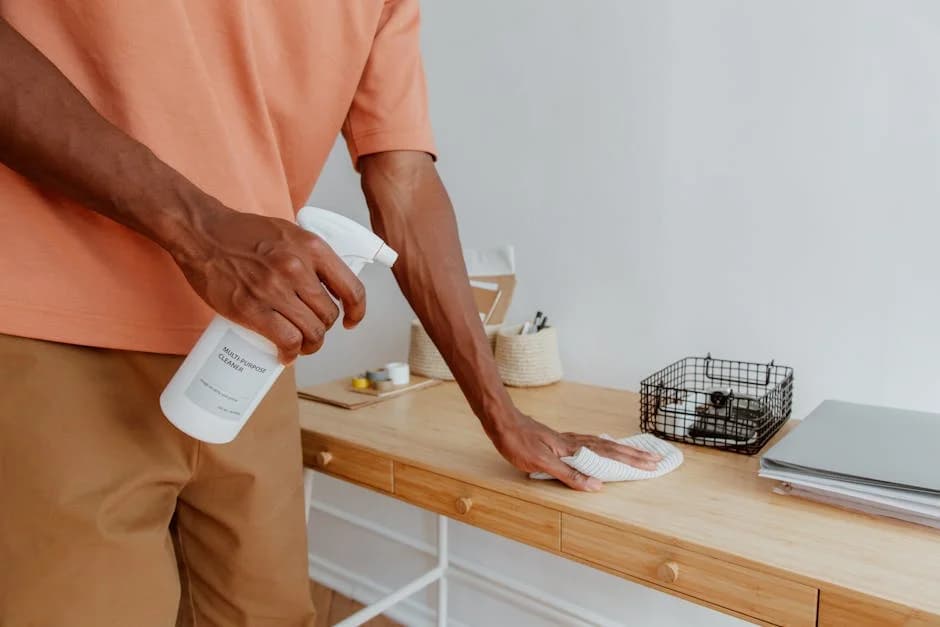
- Daily cleaning of all desk and tabletop surfaces with appropriate disinfection
- Daily vacuuming or sweeping and mopping of floors
- Sanitization of shared equipment (keyboards, tablets, classroom tools)
- Restocking of hand hygiene supplies (critical for reducing illness transmission)
- Regular cleaning of whiteboard ledges, door handles, and light switches
- Periodic deep cleaning of walls, chairs, and hard-to-reach surfaces
Restrooms
School restrooms are particularly high-risk areas for illness transmission and require the most intensive cleaning program:
- Multiple daily service visits during the school day — not just morning and end-of-day
- Proper disinfection of all fixtures
- Consistent supply stocking throughout the day
- Prompt response to vandalism or unusual conditions
- Regular deep cleaning beyond the daily service scope
Cafeterias
School cafeterias combine food service safety requirements with the high-traffic demands of hundreds of students cycling through in compressed meal periods:
- Full sanitization between meal periods, not just surface cleaning
- Floor care that addresses food spillage and tracked soil from outdoor areas
- Proper cleaning of all food-contact surfaces and equipment
- Tray and dishware sanitation
- Regular deep cleaning of seating, tables, and surrounding areas
Gyms and Athletic Facilities
School athletic facilities require specialized cleaning programs:
- Gymnasium floor care appropriate to the flooring type (hardwood requires specific maintenance; rubber and synthetic surfaces have different requirements)
- Daily cleaning and disinfection of all shared equipment — weight room equipment, floor mats, balls, and team equipment
- Locker room sanitation — one of the highest-risk areas for skin infections (MRSA and other pathogens) in athletic populations
- Pool and aquatic facility maintenance where applicable
- Regular deep cleaning of locker room floors, drains, and tile surfaces
Portable Classrooms
Many Florida schools use portable classrooms that present specific cleaning challenges: they may have limited HVAC, they accumulate mold and moisture issues more readily than permanent structures, and they require separate cleaning logistics from the main building.
Libraries and Computer Labs
These high-use resource areas require specialized care:
- Gentle cleaning of electronic equipment and display screens with appropriate products
- Sanitization of high-touch keyboard and mouse surfaces
- Book and material handling that does not damage library resources
- Regular floor and seating maintenance in high-use study areas
Summer Cleaning: Strategic Use of Break Periods
The summer break is the primary window for deep cleaning and facility restoration that is impractical during the school year. A strategic summer cleaning program addresses:
Floor restoration: Full strip and wax of all VCT floors throughout the facility — a process that requires entire areas to be vacant and takes significant time. Summer is the only practical window for facility-wide floor restoration.
High-reach cleaning: Ceiling cleaning, light fixture cleaning, high wall surfaces, and HVAC vent cleaning that cannot be accessed during normal school operations.
Carpet deep cleaning: Hot water extraction cleaning of all carpeted areas.
Furniture deep cleaning: Deep cleaning or sanitization of classroom furniture, library furniture, and cafeteria seating.
Restroom deep restoration: Grout cleaning, tile restoration, and fixture deep cleaning beyond what is possible during the school year.
Specialty area maintenance: Laboratory surface decontamination, art room restoration, shop area cleaning.
Planning summer cleaning begins before school ends — knowing what needs to happen and coordinating with facility operations staff ensures the break is used effectively.
Green Cleaning in Educational Settings
There is particular importance placed on green cleaning in educational facilities. Children are more sensitive to chemical exposures than adults, and the concentration of children in school environments makes chemical selection more consequential.
Green cleaning in educational facilities emphasizes:
- EPA Safer Choice certified or Green Seal certified cleaning products
- Microfiber cleaning systems that reduce chemical dependency
- Fragrance-free products to minimize respiratory reactions
- Reduced-volatility disinfectants
- Proper ventilation during and after cleaning to reduce indoor air chemical concentration
A cleaning program for schools should be able to document the environmental credentials of the products being used and how they align with applicable regulations or district policy.
Mega Service Solutions provides janitorial services and specialized cleaning programs for educational facilities throughout Tampa Bay. We understand the regulatory requirements, seasonal scheduling demands, and health priorities of school cleaning programs. Request a quote and let's discuss a program designed around your facility's academic calendar and specific needs.
Frequently Asked Questions
What cleaning standards apply to schools and educational facilities?
K-12 schools and universities must maintain cleaning standards that protect student and staff health, comply with Florida Department of Education guidelines, and meet OSHA standards. Key priorities include restroom hygiene, classroom disinfection of high-touch surfaces, cafeteria sanitation, and gymnasium and locker room maintenance. Mega Service Solutions has experience with educational facilities of all sizes.
How often should school classrooms be professionally cleaned and disinfected?
Classrooms in active schools benefit from nightly cleaning and disinfection of desks, chairs, doorknobs, light switches, and shared equipment. Restrooms require multiple cleanings throughout the school day. Mega Service Solutions offers nightly janitorial programs for K-12 schools and universities, including summer deep cleaning programs to reset facilities before the academic year.
Does Mega Service Solutions serve businesses throughout Florida?
Yes. Mega Service Solutions is headquartered in Tampa, FL and serves businesses statewide — including Tampa, Orlando, Miami, Jacksonville, Fort Lauderdale, Clearwater, St. Petersburg, Sarasota, Fort Myers, Naples, Tallahassee, Boca Raton, and Hollywood. We also serve clients nationwide. Call (813) 501-5001 or visit megasvs.com/get-a-quote to request a free assessment.
How do I get a quote from Mega Service Solutions?
Getting a quote is simple. Call us at (813) 501-5001 (available 24/7) or submit a request at megasvs.com/get-a-quote. We'll schedule a free, no-obligation facility walkthrough, assess your needs, and provide a custom proposal within 24–48 hours. There's no commitment required.
Written by
Mega Service Solutions
Tampa’s SBE & MBE certified commercial cleaning experts. Serving 500+ businesses across Florida. Learn more about our team and commitment to quality.
About our team →