The Importance of a Systematic Warehouse Cleaning Process
Warehouses are high-output environments that generate debris, dust, grease, and contamination at a scale that casual cleaning cannot keep pace with. Routine and cleaning processes in warehouses are often underestimated — but a poorly maintained facility creates compounding problems: safety incidents, regulatory citations, inventory damage, equipment failure, and high employee turnover.
The foundation of warehouse hygiene is a structured, documented cleaning process that addresses every area of the facility at the appropriate frequency. Unlike office environments where cleaning follows a simple daily pattern, warehouses require a multi-layered approach that accounts for different surface types, operational schedules, and cleaning priorities.
This guide covers the key components of a professional warehouse cleaning process and the best practices that protect your facility, your workforce, and your operations.
Core Components of the Warehouse Cleaning Process
1. Floor Degreasing, Cleaning, and Drying
The warehouse floor is the most heavily used surface in the facility and the highest-priority cleaning target. Industrial floor cleaning goes well beyond sweeping. A complete floor cleaning process includes:
Phase 1: Sweeping and debris removal Industrial sweepers — walk-behind or ride-on depending on facility size — remove loose debris, packaging materials, and accumulated dust before any liquid cleaning begins. Applying liquid cleaner to a floor with debris present reduces effectiveness and can create smearing rather than cleaning.
Phase 2: Degreasing High-traffic machine areas, loading dock zones, and any areas where forklifts or heavy equipment operate accumulate petroleum-based contamination that water-based cleaners cannot address without a degreasing pre-treatment. Industrial degreasers are applied, allowed to dwell, and then agitated before rinsing.
Phase 3: Auto-scrubbing Walk-behind or ride-on auto-scrubbers apply cleaning solution, scrub the surface with rotating pads or brushes, and simultaneously vacuum up the dirty solution — leaving floors clean and nearly dry. This is far more effective and efficient than mop-and-bucket cleaning for large industrial spaces.
Phase 4: Drying and inspection Warehouse floors must dry completely before foot and equipment traffic resumes to prevent slip hazards. Wet floor signage should remain in place until the surface is confirmed dry.
Our commercial floor care services include all phases of this process using equipment appropriate for your specific flooring material.
2. Mezzanine and Racking Cleaning
Racking systems and mezzanine structures are among the most neglected areas in warehouse cleaning programs. Dust, product residue, and packaging debris accumulate on racking levels and mezzanine surfaces continuously. This creates several risks:
- Debris falling from elevated positions can damage inventory and injure personnel below
- Accumulated dust on racking is a fire hazard in facilities with combustible materials
- Product contamination from dusty racking can result in quality control failures
Mezzanine and racking cleaning requires specialized access equipment and should be scheduled during periods when the areas below can be safely cleared. The process includes vacuuming, air blowing (with appropriate containment), and wipe-down of accessible surfaces.
3. Air Filtration and Ventilation Cleaning
Warehouse air quality is directly affected by the cleanliness of the ventilation and air filtration systems. Dirty filters restrict airflow, reduce HVAC efficiency, and return captured dust and particulate back into the facility air. Air ducts accumulate debris that eventually dislodges and settles on inventory, equipment, and floors.
A healthy warehouse cleaning program includes:
- Regular inspection and replacement of air filters
- Annual professional cleaning of ductwork and exhaust systems
- Maintenance of any ventilation fans or air handling units
- Spot cleaning of air intake grilles and supply diffusers
Warehouses with specific air quality requirements — food storage, pharmaceutical, electronics — have more stringent ventilation maintenance requirements that should be documented and audited.
4. Machine Cleaning and Degreasing
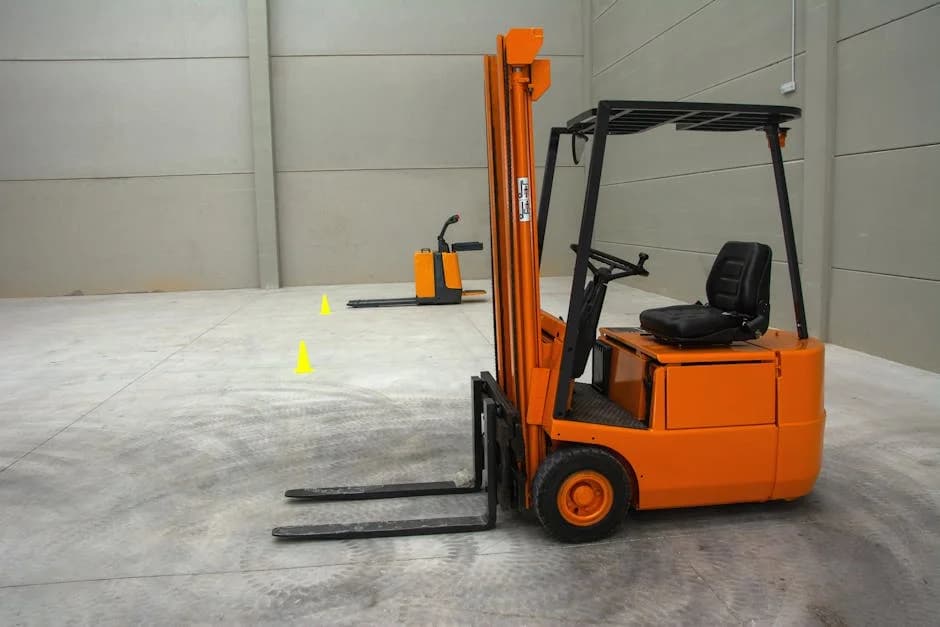
Equipment longevity in a warehouse environment depends significantly on how well machines are maintained and cleaned. Forklifts, conveyor systems, packaging equipment, and specialized machinery all accumulate grease, oil, and production byproducts that accelerate wear if not removed.
Machine cleaning considerations include:
- Identifying appropriate cleaning agents for each piece of equipment (some machines have coating or seal requirements that rule out certain chemicals)
- Cleaning exteriors before internal service or maintenance is performed
- Addressing grease accumulation in chain drives, axles, and mechanical joints
- Cleaning battery charging areas and electrical equipment with appropriate non-conductive agents
Machine cleaning is generally scheduled concurrently with preventive maintenance to minimize operational downtime.
5. Staff Restrooms and Break Rooms
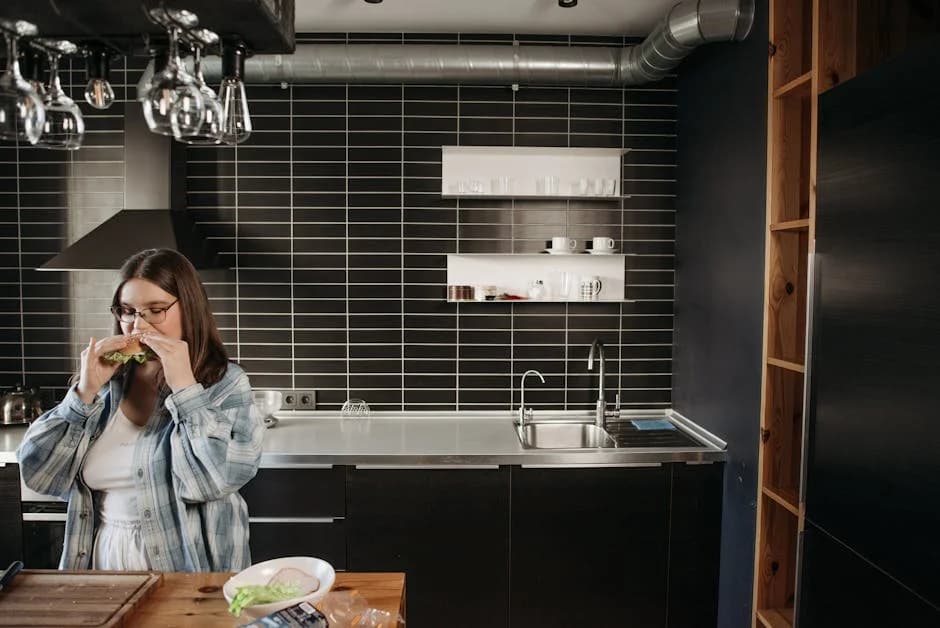
Employee support areas — restrooms, break rooms, locker rooms — are not secondary concerns in a warehouse cleaning program. These spaces directly affect employee health, morale, and retention. Neglected restrooms and break rooms communicate disregard for employee wellbeing and create conditions for illness to spread.
Restroom and break room cleaning in a warehouse environment should include:
- Multiple daily cleanings for restrooms in high-occupancy facilities
- Full disinfection of all contact surfaces — toilets, sinks, faucets, door handles, and soap dispensers
- Floor mopping and drain maintenance
- Continuous restocking of paper products and soap
- Break room appliance cleaning including microwaves, refrigerators, and coffee equipment
6. Parking Lot and Exterior Cleaning
The cleanliness of your warehouse extends to its exterior. Loading dock areas, parking lots, and building perimeters accumulate debris, oil drips, tire marks, and waste that affect safety and professional appearance.
Pressure washing of exterior surfaces — loading dock concrete, parking areas, building facades, and dumpster surrounds — should be scheduled periodically based on usage intensity and local environmental conditions.
Exterior cleaning also addresses:
- Drain maintenance in parking areas to prevent flooding and standing water
- Removal of accumulated debris from building perimeters and landscaping areas
- Control of tracked-in debris at facility entry points
Establishing a Cleaning Frequency Schedule
The appropriate cleaning frequency for each component depends on your facility's size, product type, workforce density, and operational hours. A baseline schedule for a typical warehouse environment:
| Area | Daily | Weekly | Monthly | Quarterly |
|---|---|---|---|---|
| Floor sweeping | X | |||
| Floor scrubbing | X | |||
| Floor degreasing | X | |||
| Restrooms | X | |||
| Break rooms | X | |||
| Mezzanine/racking | X | |||
| Parking/docks | X | |||
| Ventilation filters | X | |||
| Air duct cleaning | Annual |
High-traffic or food-adjacent facilities will require more frequent treatment across nearly every category.
Why Professional Warehouse Cleaning Partners Deliver Better Results
In-house cleaning staff with basic equipment cannot match the efficiency, thoroughness, or safety of a professional industrial cleaning contractor. The differences are significant:
- Equipment capability: Industrial auto-scrubbers, ride-on sweepers, and high-pressure systems cover large warehouse footprints efficiently and effectively
- Trained personnel: Professionals understand chemical selection, surface-specific techniques, and safety protocols for industrial environments
- Documented accountability: Professional contractors maintain cleaning logs and quality inspection records that support compliance and liability management
- Flexible scheduling: Off-shift and weekend cleaning minimizes disruption to warehouse operations
Mega Service Solutions brings all of these capabilities to warehouse cleaning contracts throughout the Tampa Bay region. Our team conducts a facility assessment before proposing a cleaning program — because the right approach for a 100,000-square-foot distribution center differs from what a 30,000-square-foot manufacturing facility requires.
Take the Next Step
A professionally maintained warehouse is safer, more efficient, and more compliant than one managed with ad hoc cleaning practices. The investment in a structured cleaning program pays back in reduced incidents, better inspection outcomes, and a workforce that is healthier and more productive.
Contact Mega Service Solutions today to schedule a facility walkthrough and receive a customized warehouse cleaning proposal.
Frequently Asked Questions
What should businesses know about commercial warehouse cleaning process and best practices?
Professional commercial warehouse cleaning process and best practices from Mega Service Solutions is tailored to your facility's specific needs and industry requirements. We conduct a free facility assessment before recommending a service plan, ensuring the scope, frequency, and methods match your operational environment. All services are performed by trained, background-checked crews using commercial-grade equipment.
How much does professional commercial warehouse cleaning process and best practices cost for a commercial facility?
Cost depends on facility size, service frequency, scope of work, and access requirements. Mega Service Solutions provides free, no-obligation assessments and custom quotes for every facility. Call (813) 501-5001 or submit a quote request at megasvs.com to receive a proposal tailored to your facility.
Does Mega Service Solutions serve businesses throughout Florida?
Yes. Mega Service Solutions is headquartered in Tampa, FL and serves businesses statewide — including Tampa, Orlando, Miami, Jacksonville, Fort Lauderdale, Clearwater, St. Petersburg, Sarasota, Fort Myers, Naples, Tallahassee, Boca Raton, and Hollywood. We also serve clients nationwide. Call (813) 501-5001 or visit megasvs.com/get-a-quote to request a free assessment.
How do I get a quote from Mega Service Solutions?
Getting a quote is simple. Call us at (813) 501-5001 (available 24/7) or submit a request at megasvs.com/get-a-quote. We'll schedule a free, no-obligation facility walkthrough, assess your needs, and provide a custom proposal within 24–48 hours. There's no commitment required.
Written by
Mega Service Solutions
Tampa’s SBE & MBE certified commercial cleaning experts. Serving 500+ businesses across Florida. Learn more about our team and commitment to quality.
About our team →