Medical offices are held to high cleanliness standards, yet many facilities harbor significant hygiene risks in areas that are overlooked in routine cleaning protocols. Understanding where these hidden risks live — and how to address them — is essential for any medical practice committed to patient safety and infection control.
Why Medical Office Hygiene Is Different
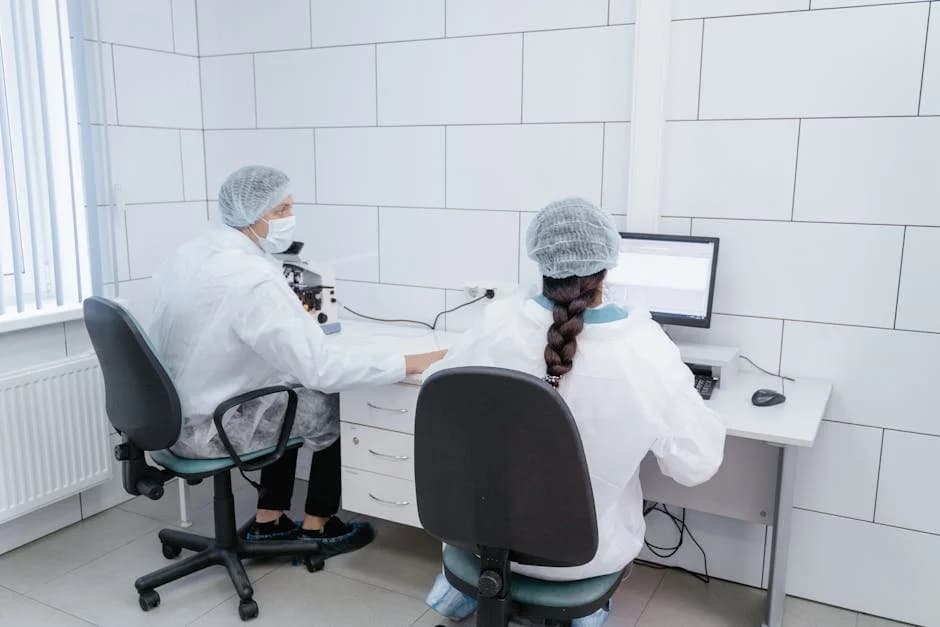
Unlike commercial office environments, medical offices face a unique challenge: patients who arrive with active infections sit in the same waiting areas, use the same restrooms, and touch the same surfaces as staff and other patients. The potential for cross-contamination is built into the environment.
This reality demands cleaning and disinfection protocols that go beyond what works in a standard commercial setting. The same surfaces require higher-frequency treatment, stronger disinfectant formulations, and systematic documentation.
Healthcare cleaning services provided by trained professionals who understand infection control protocols are fundamentally different from general commercial cleaning — and treating them the same is a significant mistake.
The Most Overlooked Hygiene Risk Areas
Waiting Room Seating
Waiting room chairs are touched by dozens of patients daily, including those with infectious conditions. The armrests, seat surfaces, and back rests of upholstered furniture absorb fluids and harbor pathogens that standard wipe-down cleaning does not eliminate.
The risk: Viral and bacterial pathogens on upholstered surfaces can survive hours to days depending on the organism. Patients touching these surfaces and then touching their faces, eyes, or mucous membranes create transmission pathways.
The fix: Hard-surface waiting room seating is significantly easier to disinfect than upholstered furniture and should be the standard for medical waiting areas. Existing upholstered furniture should be professionally cleaned and disinfected regularly, and spot-cleaned between patient groups.
Sign-In Clipboards and Pens
Patient sign-in systems — whether paper clipboards or shared tablets — are among the highest-touch items in a medical office. Every patient handles the sign-in device, creating a direct contact pathway between patients.
The risk: A patient with an active respiratory infection handles the clipboard, then the next patient in line handles the same clipboard without any disinfection occurring between contacts.
The fix: Pens and clipboards should be disinfected between every patient use, or transitioning to contactless digital check-in eliminates the surface entirely. This is a process issue, not just a cleaning issue.
Electronic Equipment
Keyboards, mice, phones, medical devices, tablets, and handheld equipment in exam rooms and at nursing stations accumulate significant microbial contamination. Studies have documented alarming pathogen loads on medical office keyboards that receive irregular cleaning.
The risk: Staff touch contaminated keyboards and then touch patients or patient-facing equipment without hand hygiene in between. Equipment surfaces that are not compatible with standard disinfectant sprays may be skipped during cleaning, leaving them consistently contaminated.
The fix: Establish explicit protocols for disinfecting all electronic equipment. Use products approved for electronics surfaces. Consider keyboard covers that simplify disinfection and are replaced when worn.
Exam Table Paper Gap Areas
Exam table paper provides a fresh surface for each patient, but the table itself — particularly the edges, adjustment mechanisms, stirrups, and underside areas — accumulates contamination that the paper does not address.
The risk: Areas around and under exam table paper receive irregular disinfection, yet hands and clothing contact them frequently. Adjustment mechanisms and foot rests that are touched multiple times per patient encounter are high-risk if not disinfected between patients.
The fix: Exam table disinfection protocols should specify all surfaces, not just the primary seating area. All contact points should be included in between-patient cleaning.
Air Handling and HVAC Systems
HVAC systems in medical offices are particularly important because they circulate air throughout patient areas. Contaminated HVAC systems spread airborne pathogens more effectively than any other vector in the building.
The risk: Filter changes that occur on a calendar schedule rather than based on actual contamination levels allow HVAC systems to operate with compromised filtration. Ductwork that accumulates biological material becomes a contamination source rather than a clean air delivery system.
The fix: Medical facilities should use HEPA filtration where possible, follow strict filter change schedules, and maintain proper ventilation rates. Ductwork cleaning should be incorporated into the facility maintenance program.
Restroom Surfaces Beyond the Obvious
Medical office restrooms face higher contamination loads than general commercial restrooms because they are used by patients who may have gastrointestinal, urinary, or other conditions. Standard restroom cleaning addresses the visible surfaces but often misses high-risk areas.
The risk: Toilet handles, restroom door handles, faucet handles, and paper dispenser levers are touched by patients immediately before and after using the toilet — making them among the most heavily contaminated surfaces in the facility. These are also surfaces that standard cleaning may not thoroughly disinfect.
The fix: Restroom cleaning protocols in medical facilities should specify disinfection of all touchpoints, including door handles on both sides of the door, light switches, faucet handles, paper dispensers, and the flush mechanism. Frequency should be higher than for general commercial restrooms.
Break Room and Staff Areas
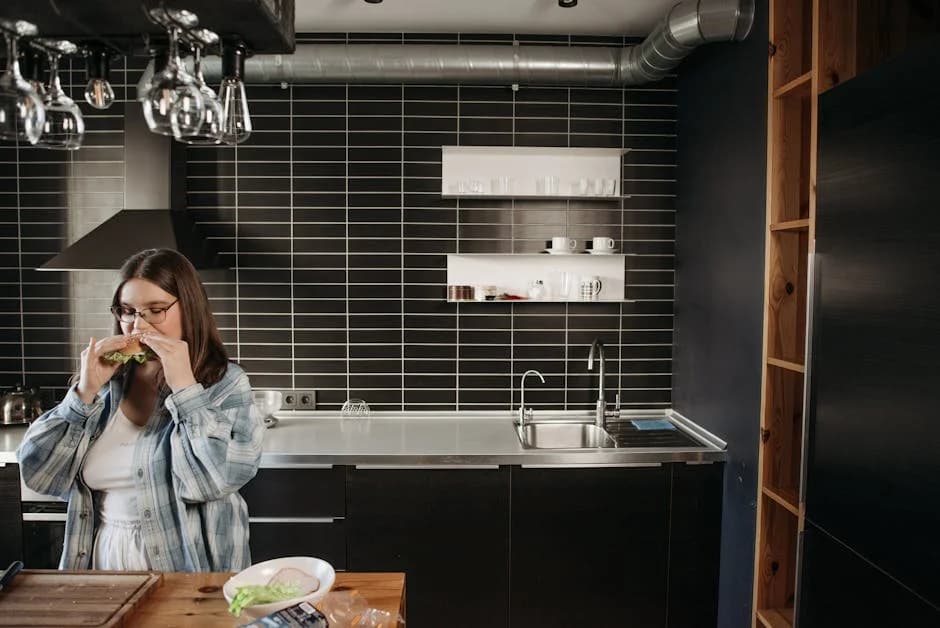
Staff break rooms in medical offices present a cross-contamination pathway that is often overlooked: staff who work in clinical areas bring potential contamination to break room surfaces when they handle food, beverages, and personal items without adequate hand hygiene or surface disinfection.
The risk: Break room surfaces, refrigerator handles, microwave controls, and coffee equipment in medical office break rooms receive clinical-grade traffic but are often cleaned only to general commercial standards.
The fix: Medical office break rooms should be cleaned to the same standard as other office areas within the facility, with recognition that clinical contamination may be introduced. Regular disinfection of high-touch surfaces is appropriate regardless of the non-clinical setting.
Establishing Effective Medical Office Cleaning Protocols
Addressing these hidden hygiene risks requires a systematic, documented approach:
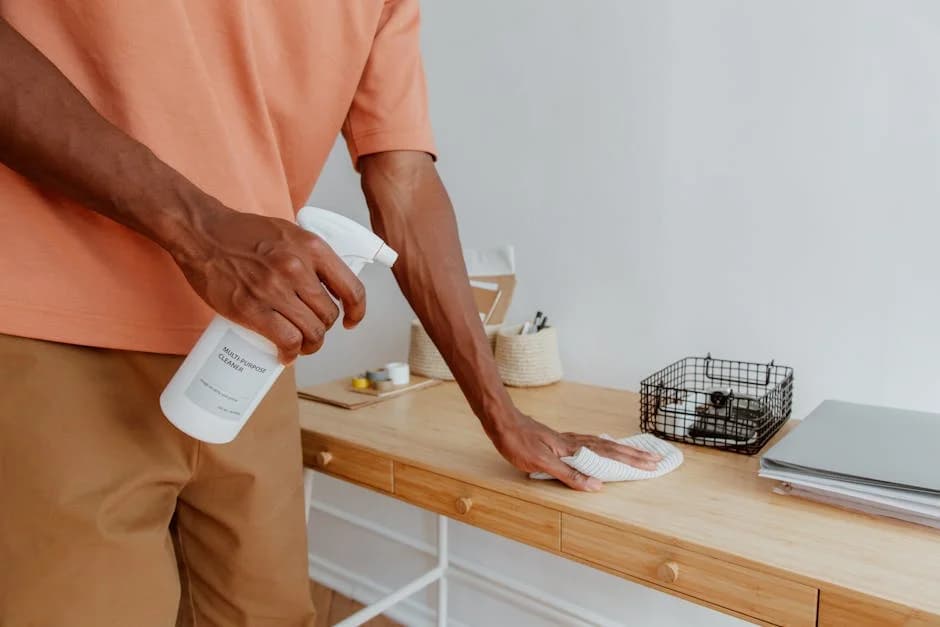
Protocol specificity. General cleaning instructions are insufficient. Medical office cleaning protocols should specify which surfaces are cleaned with what product at what frequency, with no ambiguity.
Product appropriateness. Not all disinfectants are effective against all pathogens, and not all surfaces tolerate all products. Medical office cleaning requires matching EPA-registered disinfectants to the specific pathogens of concern and the surface types present.
Staff training. Cleaning staff in medical environments require specific training on infection control principles, proper product use, and the difference between cleaning and disinfecting. This is not generic commercial cleaning knowledge.
Documentation. Regulatory bodies and accreditation organizations expect documented evidence of cleaning and disinfection activities. Service logs, product records, and inspection reports should be maintained systematically.
Frequency calibration. Some surfaces in medical offices require multiple disinfection cycles per day, not just daily cleaning. Calibrating frequency to actual risk levels — rather than to the schedule of a generic janitorial service — is essential.
Working with a commercial cleaning provider that has specific experience in healthcare environments ensures that these protocols are implemented correctly, documented appropriately, and adapted as conditions change.
Ready to evaluate your medical office cleaning program? Contact Mega Service Solutions for a healthcare cleaning assessment and free quote. We design protocols specific to your practice type and patient population.
Frequently Asked Questions
What cleaning standards apply to healthcare facilities in Florida?
Florida healthcare facilities are regulated by the Agency for Health Care Administration (AHCA) and must meet infection control standards including OSHA bloodborne pathogen protocols, CDC environmental hygiene guidelines, and accreditation standards from The Joint Commission or AAAHC. Mega Service Solutions trains crews in healthcare-specific protocols and uses EPA-registered hospital-grade disinfectants.
How is cleaning a medical facility different from regular commercial cleaning?
Healthcare cleaning requires higher disinfection standards, proper handling of potentially contaminated materials, knowledge of infection control zones, and use of hospital-grade products. Technicians must understand isolation room protocols, sterile field boundaries, and proper PPE usage. Mega Service Solutions specializes in healthcare cleaning with trained, background-checked crews.
Does Mega Service Solutions serve businesses throughout Florida?
Yes. Mega Service Solutions is headquartered in Tampa, FL and serves businesses statewide — including Tampa, Orlando, Miami, Jacksonville, Fort Lauderdale, Clearwater, St. Petersburg, Sarasota, Fort Myers, Naples, Tallahassee, Boca Raton, and Hollywood. We also serve clients nationwide. Call (813) 501-5001 or visit megasvs.com/get-a-quote to request a free assessment.
How do I get a quote from Mega Service Solutions?
Getting a quote is simple. Call us at (813) 501-5001 (available 24/7) or submit a request at megasvs.com/get-a-quote. We'll schedule a free, no-obligation facility walkthrough, assess your needs, and provide a custom proposal within 24–48 hours. There's no commitment required.
Written by
Mega Service Solutions
Tampa’s SBE & MBE certified commercial cleaning experts. Serving 500+ businesses across Florida. Learn more about our team and commitment to quality.
About our team →