The connection between school facility quality and student outcomes is well-documented. Students who learn in clean, well-maintained schools attend more consistently, report better experiences, and in many studies, demonstrate better academic performance than those in poorly maintained facilities.
For school administrators and facilities managers, this means that professional cleaning is not simply building maintenance — it is an investment in student success.
The Research Connection: Clean Schools and Student Outcomes
Multiple studies have examined the relationship between school facility conditions and student performance:
Attendance. Research consistently shows that students miss more school days when their facilities are in poor condition. One primary driver is illness — schools that harbor high levels of bacterial and viral contamination on surfaces experience higher rates of illness transmission, which leads directly to student and teacher absences.
Academic performance. Beyond attendance, the indoor air quality and comfort conditions associated with well-maintained facilities affect learning directly. Dust, mold, and allergen accumulation in poorly cleaned schools contributes to respiratory symptoms that affect concentration and attention. Studies examining school renovation and cleaning improvements consistently show attendance and performance gains after facility improvements.
Teacher effectiveness. Teachers in clean, well-maintained facilities report higher job satisfaction and are less likely to leave the profession. Teacher quality and continuity directly affects student outcomes — and both are affected by facility conditions.
Parent and community perception. School facility quality affects community confidence in a school's educational program. Facilities that appear poorly maintained signal a lack of investment that affects enrollment decisions, community support, and the overall perception of the school's quality.
The Hygiene Challenge in Educational Settings
Schools present a unique cleaning challenge: high concentrations of children in shared spaces, continuous contact with shared surfaces, and the natural hygiene habits of young students. This creates conditions where pathogens spread efficiently if not actively managed.
High-touch surface concentration. Desks, chairs, doorknobs, drinking fountains, restroom fixtures, cafeteria tables, and gymnasium equipment all receive constant contact from hundreds of students daily. Each surface contact creates transmission opportunity.
Cafeterias and food service areas. School cafeterias serve as both dining and activity spaces throughout the day. Food residue, beverage spills, and the concentration of activity create sanitation challenges that require systematic professional cleaning.
Restrooms. School restrooms experience intense use during short break periods and receive traffic levels per square foot that far exceed most commercial facilities. Inadequate cleaning frequency in school restrooms creates hygiene problems with direct health implications.
Gymnasiums and shared athletic spaces. Gym floors and equipment accumulate sweat, soil, and biological material rapidly. Regular cleaning and disinfection of these spaces is essential for student health.
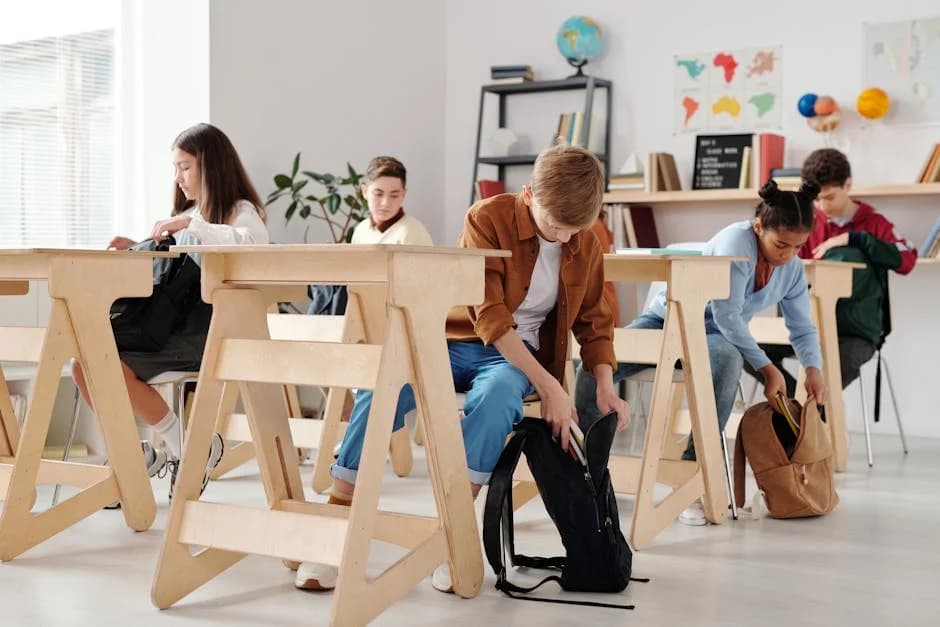
Classrooms. Shared desktops, frequently touched materials, and the air quality in enclosed classrooms all affect daily student exposure levels.
What Professional School Cleaning Covers
A professional janitorial service designed for educational settings addresses each of these challenge areas systematically:
Daily Classroom Cleaning
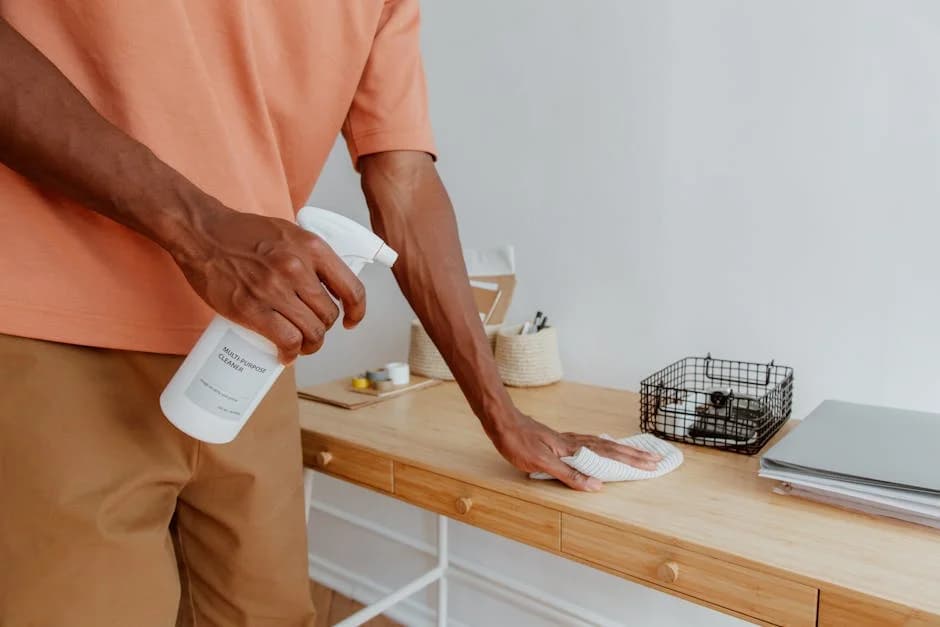
- Disinfection of desk and chair surfaces
- Cleaning of whiteboards and instructional surfaces
- Vacuuming or sweeping of floor areas
- Emptying waste containers
- Disinfecting light switches and door handles
- Spot-cleaning wall areas near high-traffic points
Restroom Service
- Full cleaning and disinfection of all fixtures, surfaces, and floors
- Restocking of soap, paper products, and hand sanitizer
- Regular check-ins throughout the school day in high-use facilities
- Drain cleaning and deodorization
Cafeteria and Kitchen Cleaning
- Thorough cleaning of all table and seating surfaces between meal periods
- Floor sweeping and mopping after each service period
- Cleaning of high-touch service areas and equipment
- Sanitation of food contact surfaces to food service standards
Gymnasium and Athletic Space Maintenance
- Regular floor cleaning — sweeping and damp mopping to remove soil and biological material
- Equipment surface disinfection on a scheduled basis
- Locker room cleaning including showers, benches, and drains
Common Areas and Hallways
- Regular floor maintenance in high-traffic corridors
- Cleaning of lockers, entrance areas, and shared student spaces
- Window and glass maintenance at entry points and trophy cases
Periodic Specialized Services
- Deep cleaning during school breaks (summer, winter, spring)
- Floor care services — stripping and refinishing gym floors, carpet extraction in carpeted areas
- Exterior pressure washing of walkways, bus loading areas, and entry surfaces
The Summer and Break Cleaning Imperative
School breaks — particularly summer break — represent a critical opportunity for comprehensive cleaning that cannot be accomplished during the school year without disrupting operations.
Summer deep cleaning should include:
- Thorough cleaning and disinfection of all classrooms
- Complete restroom deep cleaning including grout, tile, and fixture surfaces
- Floor restoration — strip and wax VCT floors, clean and refinish gym hardwood, extract carpet
- Locker cleaning and sanitization
- Kitchen and cafeteria equipment deep cleaning
- Ductwork and HVAC system maintenance
Schools that use summer break for comprehensive deep cleaning begin each school year with a clean baseline that their regular maintenance program can sustain. Those that do not begin each year adding to accumulated soil from the previous year.
Building a Cleaning Program That Supports School Success
Effective school cleaning programs have several characteristics:
Adequate frequency. Cleaning frequency must match the actual use patterns of the school — high-traffic restrooms need multiple checks per day, not once-daily service. Cafeterias need cleaning between meal periods. Classrooms need daily attention.
Appropriate products. Cleaning products used in schools must balance effective sanitation with child safety. EPA Design for the Environment certified products are increasingly standard in school environments.
Trained, consistent staff. Staff who understand the specific protocols for educational facilities and maintain consistent assignment to specific areas of the school develop familiarity with the space that improves their effectiveness.
Communication with administration. Effective school cleaning programs involve open communication between cleaning staff and school administration — so that special events, schedule changes, and specific concerns are addressed proactively.
Performance accountability. Inspection programs and documented service logs demonstrate that cleaning activities are occurring as specified and provide accountability when performance falls short.
A clean school is not a luxury. It is a foundational investment in the learning environment — one that affects attendance, health, teacher quality, and community confidence. Contact Mega Service Solutions for a school cleaning assessment and program design tailored to your educational facility's specific needs.
Frequently Asked Questions
What cleaning standards apply to schools and educational facilities?
K-12 schools and universities must maintain cleaning standards that protect student and staff health, comply with Florida Department of Education guidelines, and meet OSHA standards. Key priorities include restroom hygiene, classroom disinfection of high-touch surfaces, cafeteria sanitation, and gymnasium and locker room maintenance. Mega Service Solutions has experience with educational facilities of all sizes.
How often should school classrooms be professionally cleaned and disinfected?
Classrooms in active schools benefit from nightly cleaning and disinfection of desks, chairs, doorknobs, light switches, and shared equipment. Restrooms require multiple cleanings throughout the school day. Mega Service Solutions offers nightly janitorial programs for K-12 schools and universities, including summer deep cleaning programs to reset facilities before the academic year.
Does Mega Service Solutions serve businesses throughout Florida?
Yes. Mega Service Solutions is headquartered in Tampa, FL and serves businesses statewide — including Tampa, Orlando, Miami, Jacksonville, Fort Lauderdale, Clearwater, St. Petersburg, Sarasota, Fort Myers, Naples, Tallahassee, Boca Raton, and Hollywood. We also serve clients nationwide. Call (813) 501-5001 or visit megasvs.com/get-a-quote to request a free assessment.
How do I get a quote from Mega Service Solutions?
Getting a quote is simple. Call us at (813) 501-5001 (available 24/7) or submit a request at megasvs.com/get-a-quote. We'll schedule a free, no-obligation facility walkthrough, assess your needs, and provide a custom proposal within 24–48 hours. There's no commitment required.
Written by
Mega Service Solutions
Tampa’s SBE & MBE certified commercial cleaning experts. Serving 500+ businesses across Florida. Learn more about our team and commitment to quality.
About our team →