
Pest activity in a commercial facility is almost never random. Pests do not choose locations arbitrarily — they follow food, water, shelter, and entry points. When a facility experiences a pest problem, the conditions that allowed it to develop almost always precede the pest activity itself by weeks or months. Understanding this sequence is what makes prevention possible.
This guide focuses on the facility practices — cleaning protocols, maintenance habits, and structural attention — that eliminate the conditions pests need to establish in commercial settings. Pest control services address active infestations; the practices here reduce the likelihood that infestations develop in the first place.
How Pests Get In: The Entry Point Problem
Before addressing food and water sources, it is worth understanding that pests need to physically enter the facility. The most common entry points in commercial buildings:
Gaps and cracks at building penetrations — Pipes, conduit, and utility lines entering the building create gaps that, if not sealed, serve as highways for cockroaches, mice, and ants. Even a gap the diameter of a pencil is sufficient for mice; cockroaches can compress through gaps smaller than that.
Door and window gaps — Door sweeps, weatherstripping, and window seals degrade over time. Even in well-maintained commercial buildings, gaps at door thresholds and windows are among the most common rodent and cockroach entry points.
Loading docks and delivery areas — Open dock doors during receiving operations are unavoidable, but door curtains, dock seals, and maintaining closed-door discipline outside receiving hours are meaningful controls.
Landscape and drainage — Dense ground cover immediately adjacent to building exteriors provides harborage for pests before they enter. Poor drainage creates moisture that attracts a wide range of pests.
Deliveries and incoming goods — Cardboard boxes are common cockroach egg carriers. Insects and sometimes rodents are transported in via incoming goods and packaging.
A facility walkthrough focused on entry points — ideally with someone who knows what to look for — is the starting point for a prevention program.
The Kitchen and Break Room: Highest-Risk Space
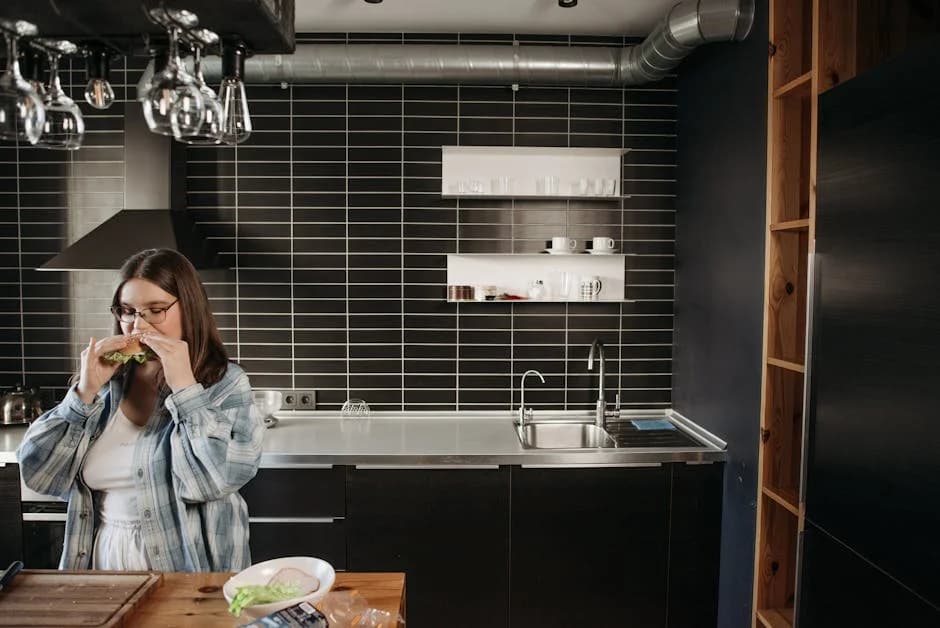
In virtually every commercial facility, the kitchen and break room generate the most pest activity. Food residue, moisture, warmth, and shelter are all concentrated in these spaces. The cleaning and maintenance practices in this space determine the pest risk for the entire facility.
Cleaning Protocols That Matter
Immediate spill response — Food and beverage spills left more than a few hours are a meaningful pest attractant. A spill protocol — staff wipes up spills promptly, not "when the cleaners come" — needs to be established and followed.
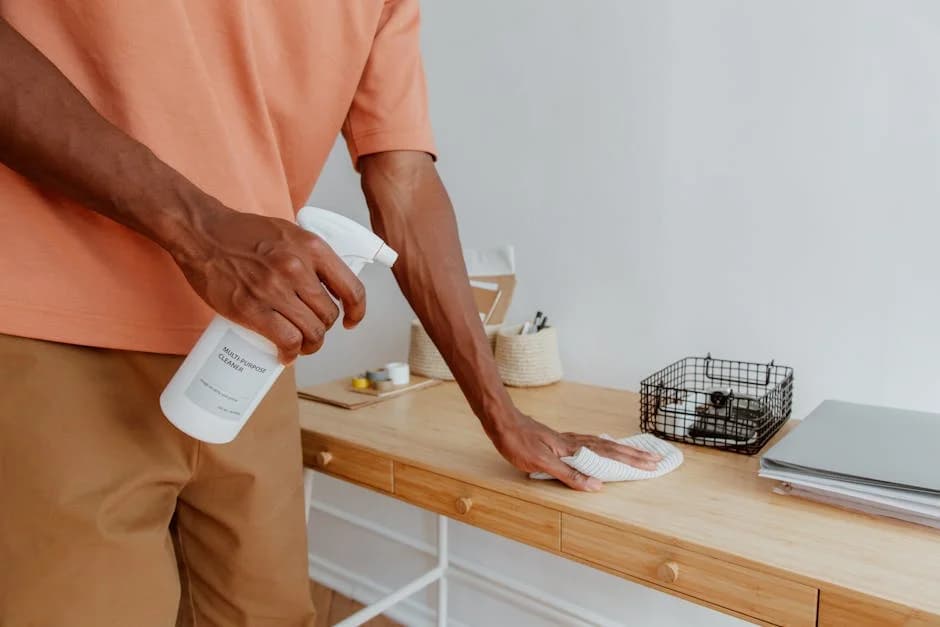
Daily surface cleaning — Countertops, stovetops, microwaves, and toaster exteriors should be wiped after each use and as part of the daily cleaning cycle. Residue baked onto surfaces by heat is harder to remove and more attractive to pests over time.
Behind and beneath appliances — As discussed in other facility cleaning resources, the space behind and beneath break room appliances is among the most neglected in standard cleaning programs. Monthly cleaning of these spaces — pulling appliances from the wall to clean behind and beneath — is essential for pest prevention in food preparation areas.
Trash management — Break room trash receptacles with open tops, or those that overflow between cleaning cycles, are among the most reliable pest attractors in a commercial facility. Require:
- Trash receptacles with tight-fitting lids
- Lining replacement at every cleaning cycle
- Placement away from walls (allowing cleaning access on all sides)
- At least daily emptying in high-use areas
Drain maintenance — Kitchen and break room floor drains accumulate organic matter and are a common harborage point for cockroaches and drain flies. Professional drain cleaning — not simply pouring a commercial product down the drain — addresses the biofilm layer that forms inside drain pipes and serves as a food source and breeding site.
Food Storage Practices
Employee-brought food that is not stored in sealed containers is a major driver of break room pest activity. Establishing and enforcing food storage standards:
- All food items stored in sealed containers or the refrigerator — not in paper bags or unsealed packaging
- No food stored overnight outside the refrigerator
- Refrigerator maintenance — regular cleaning to remove residue and expired items
- No food at desks or workstations (where cleaning frequency is lower and access for cleaning is restricted)
Exterior Maintenance: Pest Prevention Starts Outside
Pests that establish near the building exterior are positioned to enter. Reducing exterior harborage conditions reduces pressure on the building perimeter.
Vegetation management — Shrubs, ground cover, and trees within 18 inches of the building create pest harborage directly adjacent to potential entry points. Trimming vegetation back from building perimeters is one of the highest-return exterior pest prevention actions.
Standing water elimination — Any location where water pools or stands creates mosquito breeding habitat and attracts moisture-seeking pests. Common sources in commercial settings: clogged roof drains, planter drainage, low spots in parking areas, and landscape irrigation runoff.
Dumpster enclosure management — The area around waste collection points is among the highest-pest-pressure exterior locations at any commercial facility. Requirements:
- Dumpsters with tight-fitting lids
- Dumpster pads cleaned regularly (pressure washing at minimum monthly)
- No loose debris or spillage around waste enclosures
- Enclosure walls and flooring maintained to eliminate harborage
Regular pressure washing of dumpster areas and loading docks is both a cleanliness and a pest prevention measure.
Exterior lighting — Flying insects are attracted to white and UV light sources. Where possible, replacing white exterior lighting with yellow or sodium vapor lighting near building entries reduces flying insect attraction to the building perimeter.
Storerooms, Utility Areas, and Seldom-Used Spaces
Pests establish most readily in areas that are not regularly disturbed. Storerooms, utility rooms, and seldom-used spaces in commercial facilities are high-risk precisely because low activity creates undisturbed harborage conditions.
Organization and decluttering — Cardboard boxes, stacked paper, and stored equipment provide shelter for cockroaches and rodents. Converting storerooms to shelving-based storage (off the floor) with sealed containers reduces harborage significantly.
Regular access and cleaning — Even seldom-used spaces need periodic cleaning — at minimum, sweeping and inspection quarterly. Pest activity in these spaces often goes undetected for extended periods because no one sees the space regularly.
Pest monitoring devices — Glue boards and insect monitors placed in storerooms, utility rooms, and beneath equipment provide early detection of pest activity before it becomes an infestation. A professional pest control program includes monitoring device management; checking these devices is a meaningful supplement to routine cleaning inspection.
Seal gaps in storage areas — Utility rooms and storerooms often have more unaddressed gap conditions than occupied spaces. Pipe penetrations, wall damage, and HVAC access points are common entry vectors.
The Plant Maintenance Problem
Interior plants — common in offices, lobbies, and shared spaces — can harbor pests and create moisture conditions that attract them. Specific concerns:
Overwatering — Saturated potting soil creates ideal conditions for fungus gnats and shore flies, which breed in moist organic material. Proper watering practices and good drainage are the primary controls.
Decomposing matter — Dead leaves, fallen flowers, and debris in plant containers should be removed promptly. Organic matter in planters provides food and shelter for small insects.
Container inspection — Planters should be periodically lifted or moved to inspect beneath them. Cockroaches commonly establish beneath plant containers, particularly those in warm, dim locations.
Incoming plant material — New plants or seasonal decorative plants introduced to the facility can introduce pests. Inspection of incoming plant material is a simple but often overlooked control.
Coordinating Pest Prevention with Your Cleaning Program
Pest prevention and cleaning are not separate programs — they are deeply connected. A commercial cleaning program that does not consider pest prevention implications will leave gaps that allow pest conditions to develop.
Practical integration points:
Cleaning staff as first-line observers — Cleaning crews in your facility are in every space, often when no one else is there. Training cleaning staff to report pest sightings, evidence (droppings, gnaw marks, shed skins), or conditions that could support pest activity (moisture, debris accumulation) gives you earlier warning than any other monitoring approach.
Scope alignment — Your janitorial services scope should explicitly include the high-risk areas discussed here: behind appliances, drain cleaning or reporting, trash management protocols, and break room surface disinfection. If these are not in the scope, they are likely not being done.
Deep cleaning cycles — Periodic deep cleaning of break rooms, storerooms, and utility areas addresses accumulations that routine cleaning misses and is a meaningful complement to any pest prevention program.
Coordination with pest management — Your cleaning vendor and your pest management provider should be aware of each other's schedules and protocols. Pest treatments are more effective in clean spaces; cleaning programs are more effective when pest harborage is identified and addressed.
When Prevention Is Not Enough
Prevention is the goal; it is not always sufficient. If your facility develops active pest activity despite good cleaning and maintenance practices, the appropriate response is professional pest management — not escalating DIY treatments.
Signs that require professional response:
- Rodent droppings in any quantity
- Live cockroach sightings during daytime hours (cockroaches are nocturnal; daytime sightings indicate a significant population)
- Flying insect swarms or persistent drain fly presence
- Evidence of structural gnawing or nesting material
Professional pest control combined with the cleaning and maintenance practices described here produces the best outcomes — treatment addresses the active population while prevention protocols eliminate the conditions that allowed it to develop.
If you are concerned about pest conditions in your commercial facility, a cleaning program assessment can identify the gaps that are creating conditions for pest activity. Contact Mega Service Solutions to discuss a cleaning program designed with pest prevention as an explicit objective.
Frequently Asked Questions
How does commercial pest control differ from residential pest control?
Commercial pest control accounts for larger square footage, multiple entry points, food storage areas, regulatory inspection requirements, and the need to operate without disrupting business. Commercial pest programs typically include scheduled preventive treatments, exclusion work (sealing entry points), monitoring systems, and documentation for health department and OSHA compliance.
What pests are most common in Tampa commercial facilities?
In Tampa's subtropical climate, the most common commercial pest issues include German cockroaches (especially in kitchens), rodents, fire ants, termites, and stored product insects in food-related businesses. Florida's year-round warmth means pest pressure is constant, making regular preventive programs essential rather than reactive-only treatment.
Does Mega Service Solutions serve businesses throughout Florida?
Yes. Mega Service Solutions is headquartered in Tampa, FL and serves businesses statewide — including Tampa, Orlando, Miami, Jacksonville, Fort Lauderdale, Clearwater, St. Petersburg, Sarasota, Fort Myers, Naples, Tallahassee, Boca Raton, and Hollywood. We also serve clients nationwide. Call (813) 501-5001 or visit megasvs.com/get-a-quote to request a free assessment.
How do I get a quote from Mega Service Solutions?
Getting a quote is simple. Call us at (813) 501-5001 (available 24/7) or submit a request at megasvs.com/get-a-quote. We'll schedule a free, no-obligation facility walkthrough, assess your needs, and provide a custom proposal within 24–48 hours. There's no commitment required.
Written by
Mega Service Solutions
Tampa’s SBE & MBE certified commercial cleaning experts. Serving 500+ businesses across Florida. Learn more about our team and commitment to quality.
About our team →