Why Safety and Compliance Define Construction Cleaning
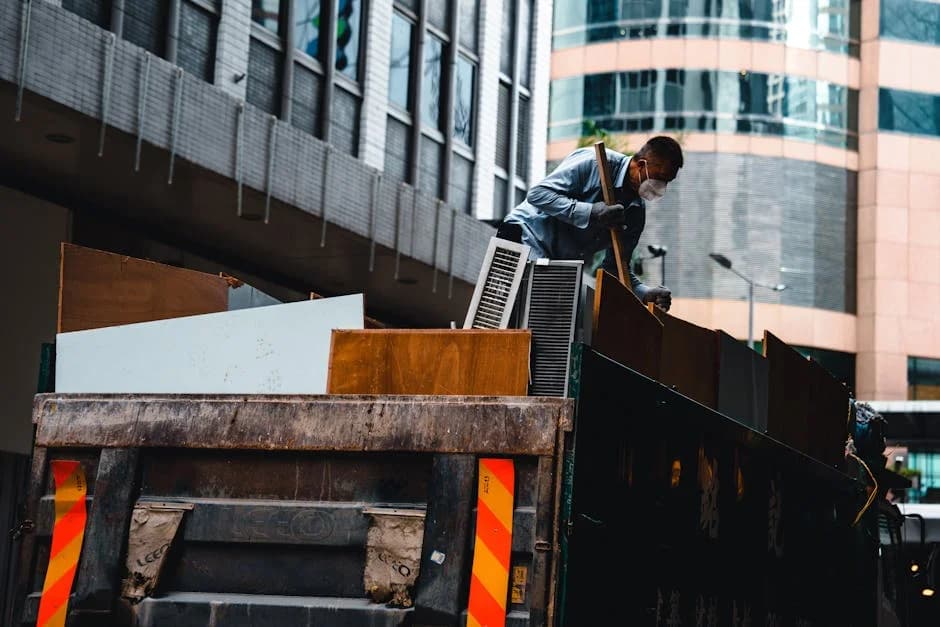
Construction sites generate a unique combination of debris, dust, and potentially hazardous materials that require specific knowledge, equipment, and regulatory compliance to address safely. A general cleaning crew without construction-specific experience and training is not qualified to perform post-construction cleaning on commercial projects — regardless of their competence in other cleaning environments.
The risks are real and specific. Construction dust — particularly from drywall, concrete, and masonry — contains respirable silica that causes silicosis with repeated exposure. Older buildings undergoing renovation may contain asbestos-containing materials, lead paint, and mold that require specialized handling and disposal. Chemical residues from construction processes may be regulated as hazardous waste. The physical environment of a construction site — open edges, unstable surfaces, active equipment, and overhead hazards — demands safety training and PPE that general cleaning staff do not routinely maintain.
Mega Service Solutions provides professional post-construction cleaning services with certified technicians, appropriate PPE programs, and compliance with all applicable regulatory requirements.
Safety Protocols for Construction Site Cleaning
Personal Protective Equipment
The PPE requirements for construction site cleaning depend on the specific hazards present, but a baseline program includes:
Respiratory protection:
- N95 respirators at minimum for environments with drywall, concrete, or masonry dust
- Powered air-purifying respirators (PAPRs) or supplied air respirators for environments with known silica hazard or confirmed airborne contaminants
- Half-face or full-face respirators with appropriate cartridges for chemical environments
Eye and face protection:
- Safety glasses with side shields for general construction cleaning
- Chemical splash goggles when handling cleaning chemicals or working in areas with chemical hazards
Head protection:
- Hard hats required on active construction sites where overhead hazards exist
Hand protection:
- Chemical-resistant gloves appropriate for the substances being handled
Foot protection:
- Steel-toed boots with puncture-resistant soles for environments with fastener debris
Body protection:
- Disposable or washable coveralls for environments where clothing contamination is a concern
PPE selection must be hazard-specific and personnel must be trained in proper use, limitations, and the donning and doffing procedures that prevent contamination from protective gear.
Safety Protocols for Cleaning Activities
Beyond PPE, specific safety protocols apply to construction site cleaning:
Working in active construction zones: Construction site cleaning often occurs concurrently with ongoing construction activity in other areas of the project. Cleaning staff must understand the hazards of the active site and follow all site safety rules — including permit requirements for confined space entry, hot work proximity, and elevated work areas.
Floor and surface load assessment: Before using heavy cleaning equipment — pressure washers, ride-on scrubbers, large vacuum units — floors and elevated surfaces must be assessed for structural adequacy.
Overhead hazard management: Cleaning high-level surfaces on construction sites requires awareness of unsecured materials above the work area. Materials left on beams, platforms, and elevated areas by construction trades can dislodge during cleaning activities.
Chemical handling: Cleaning products used in post-construction cleaning include solvents for adhesive removal, acids for concrete and grout work, and specialty products for window film removal. These require appropriate handling, ventilation, and waste disposal.
Compliance with Regulatory Requirements
OSHA Standards Applicable to Construction Cleaning
Multiple OSHA standards are relevant to construction site cleaning:
29 CFR 1926 (Construction Industry Standards): When cleaning occurs on active construction sites, construction industry safety standards apply — including fall protection requirements, hazard communication, and PPE standards specific to the construction environment.
29 CFR 1910.1025 (Lead): Any work that disturbs lead-based paint in pre-1978 buildings requires compliance with OSHA's Lead Standard, including air monitoring, biological monitoring of workers, and specific work practices.
29 CFR 1926.1101 (Asbestos in Construction): Renovation and demolition work in buildings that may contain asbestos-containing materials requires compliance with OSHA's asbestos standard — including air monitoring, respiratory protection, and disposal requirements.
29 CFR 1910.1200 (Hazard Communication): All cleaning chemicals must be properly labeled and Safety Data Sheets must be accessible to all workers who may be exposed.
EPA and Environmental Compliance
Hazardous waste disposal: Certain construction cleaning residues — particularly those containing regulated substances like lead paint chips, asbestos-containing materials, or chemical contaminants — must be disposed of as hazardous waste in compliance with EPA regulations.
Lead Renovation, Repair and Painting (RRP) Rule: EPA's RRP Rule applies to renovation work disturbing lead-based paint in pre-1978 housing and child-occupied facilities. Post-renovation cleaning must meet specific standards — visual inspection, wet mopping, and specialized techniques required by the rule.
Air quality compliance: Certain cleaning activities on construction sites may require compliance with local air quality regulations — particularly dusty operations that could affect neighboring properties.
Handling Potentially Hazardous Materials
Asbestos
Asbestos-containing materials (ACMs) may be present in buildings constructed before 1980 and some materials up to 1990. Common ACM locations in renovation projects include:
- Pipe and boiler insulation
- Ceiling tiles
- Floor tiles and associated adhesives
- Roofing materials
- Spray-applied fireproofing
Any material suspected to contain asbestos must be sampled and analyzed by a certified laboratory before disturbance. If ACMs are confirmed present, abatement must be performed by licensed asbestos contractors — cleaning staff must not disturb suspected or confirmed ACMs.
Lead-Based Paint
Lead paint is common in buildings constructed before 1978. Construction cleaning following renovation work that disturbs lead paint must address:
- Containment of leaded dust generated during the project
- Specialized cleaning methods required by EPA's RRP Rule
- HEPA vacuuming and wet mopping of affected areas
- Clearance testing to verify that cleaning was effective
Mold
Construction projects in Florida's climate frequently encounter mold — either pre-existing in the building or developing during construction due to weather exposure or water intrusion. Post-construction cleaning that encounters mold must address it appropriately rather than simply covering or dispersing it.
Surface mold can be cleaned with appropriate EPA-registered antimicrobial products. Extensive mold growth — particularly any mold in HVAC systems or on porous materials — requires assessment and remediation by qualified professionals before cleaning proceeds.
Documentation and Transparency
Professional construction cleaning operations maintain documentation that protects both the cleaning contractor and the client:
Pre-cleaning site assessment: Documentation of observed conditions before cleaning begins — identifying any potential hazardous materials, structural concerns, or special cleaning requirements.
Hazardous material findings and handling: If hazardous materials are encountered during cleaning, documentation of identification, handling approach, and disposal must be maintained.
Cleaning log: Record of what was cleaned, when, by whom, and with what products.
Hazardous waste disposal manifests: If regulated waste was generated and disposed of, manifests documenting the disposal chain must be maintained.
Clearance verification: For projects involving lead or asbestos, documentation of clearance testing results demonstrating that post-cleaning conditions meet regulatory standards.
This documentation protects the client from liability by demonstrating that cleaning was performed to appropriate standards, and protects the cleaning contractor by providing evidence of compliance with applicable regulations.
The Value of Certified Construction Cleaning
On commercial construction projects, the general contractor's reputation and liability exposure depend in part on how the final cleaning is handled. Hiring unqualified cleaning crews — who lack appropriate training, PPE, and regulatory knowledge — creates risks that the general contractor shares.
A certified, insured, and experienced post-construction cleaning contractor provides:
- Compliance with OSHA, EPA, and applicable state regulations
- Appropriate insurance coverage including completed operations coverage
- Documentation that supports the general contractor's project closeout records
- Professional results that meet occupancy-ready standards
Mega Service Solutions holds the certifications, carries the insurance, and employs the trained technicians to handle construction cleaning on commercial projects of any scale safely and compliantly.
Ready for Professional Construction Cleaning?
Your construction project deserves a cleaning partner that understands the specific safety, compliance, and technical requirements of the construction environment. Cutting corners on post-construction cleaning creates risks — for the occupants who move into the space, for the building owner, and for the general contractor.
Contact Mega Service Solutions today to discuss your construction cleaning needs. We provide certified, compliant, and thoroughly professional post-construction cleaning services throughout the Tampa Bay region.
Frequently Asked Questions
What does post-construction cleaning include?
Post-construction cleaning from Mega Service Solutions covers three phases: rough clean (debris and bulk waste removal during construction), final clean (detailed cleaning of all surfaces before occupancy), and touch-up clean (final punch list items before handover). We remove construction dust from all surfaces, clean windows, scrub floors, and prepare the facility for immediate use.
How soon after construction is complete can cleaning begin?
Cleaning can begin once the construction crew has completed their final phase. Mega Service Solutions coordinates with your general contractor to schedule around construction milestones. We can also perform phased cleaning as sections of the facility are completed to accelerate your timeline to occupancy.
Does Mega Service Solutions serve businesses throughout Florida?
Yes. Mega Service Solutions is headquartered in Tampa, FL and serves businesses statewide — including Tampa, Orlando, Miami, Jacksonville, Fort Lauderdale, Clearwater, St. Petersburg, Sarasota, Fort Myers, Naples, Tallahassee, Boca Raton, and Hollywood. We also serve clients nationwide. Call (813) 501-5001 or visit megasvs.com/get-a-quote to request a free assessment.
How do I get a quote from Mega Service Solutions?
Getting a quote is simple. Call us at (813) 501-5001 (available 24/7) or submit a request at megasvs.com/get-a-quote. We'll schedule a free, no-obligation facility walkthrough, assess your needs, and provide a custom proposal within 24–48 hours. There's no commitment required.
Written by
Mega Service Solutions
Tampa’s SBE & MBE certified commercial cleaning experts. Serving 500+ businesses across Florida. Learn more about our team and commitment to quality.
About our team →