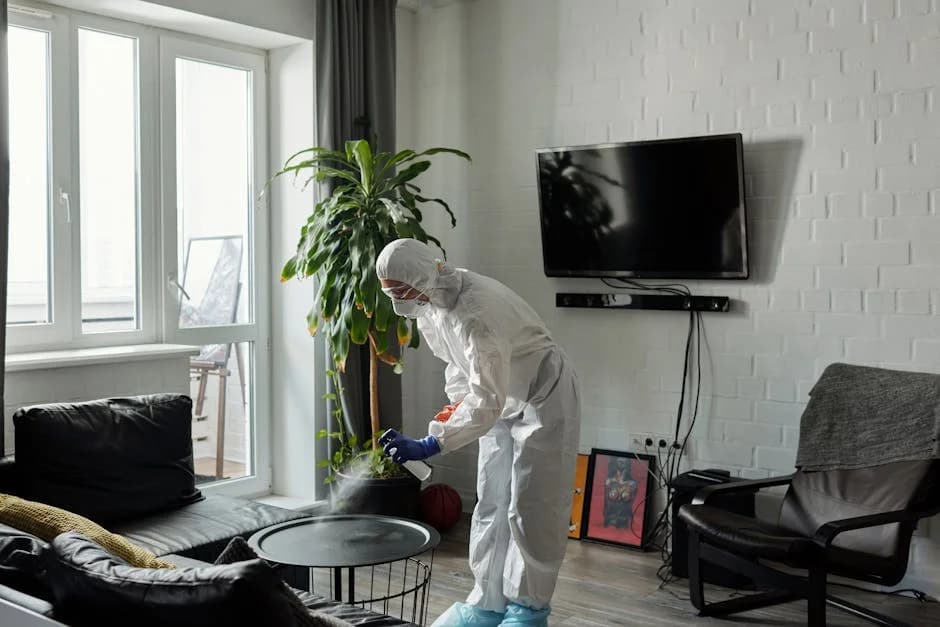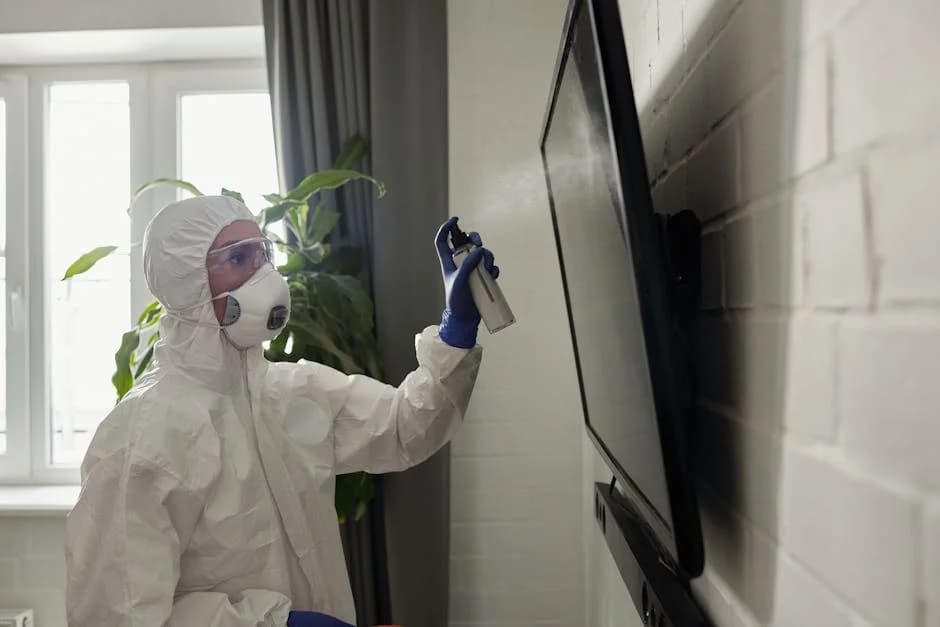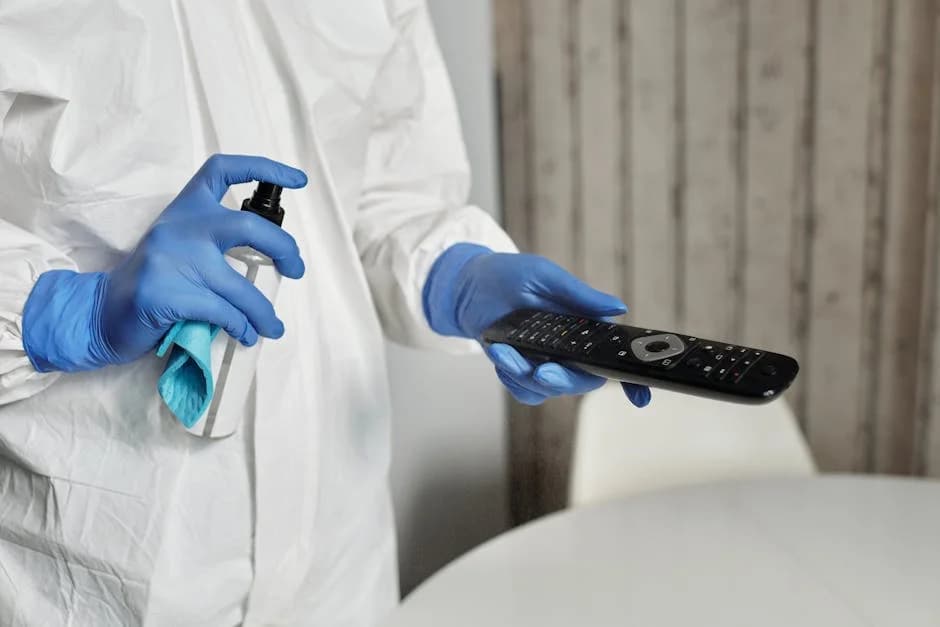
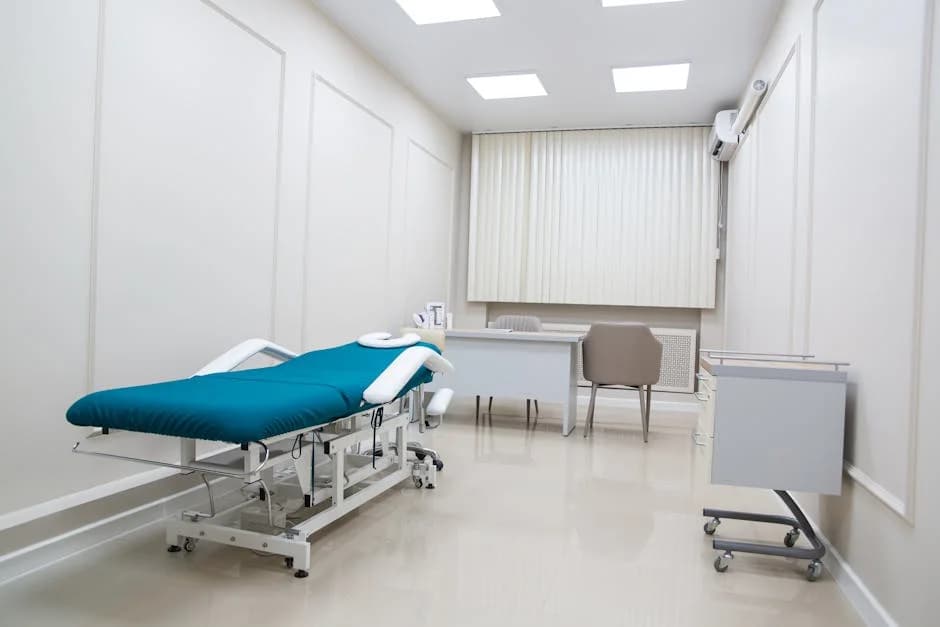
A medical office is not a standard commercial space. The patient population entering the facility often includes immunocompromised individuals, people with active infections, and others for whom exposure to pathogens carries serious health consequences. The regulatory environment is distinct. And the surfaces — exam tables, instrument trays, waiting room chairs, restroom fixtures — carry contamination risks that require protocols well beyond standard janitorial practice.
This guide explains what medical office cleaning actually requires: the clinical standards it must meet, the specific protocols involved, and how to evaluate whether your current cleaning vendor is genuinely equipped for a healthcare environment.
Why General Cleaning Is Not Sufficient for Medical Offices
Standard commercial cleaning is designed to maintain appearance and basic hygiene in environments where pathogen exposure risk is relatively low. Medical offices operate in a different risk category.
Consider what happens in a medical waiting room in a single day: patients with active respiratory infections sit in chairs, touch armrests and magazines, use the restroom, and interact with reception surfaces. Exam rooms are used successively by multiple patients. Treatment rooms may involve bodily fluid exposure. The contact surface contamination load in a medical office is categorically different from a corporate office.
This is why healthcare facilities require cleaning protocols built around infection control principles rather than general cleaning standards. Products must be registered by the EPA specifically for use in healthcare settings. Protocols must address surface dwell time, cross-contamination prevention, and pathogen-specific requirements.
A vendor who treats your medical office the same as a corporate office is not providing medical cleaning — they are providing janitorial service that leaves significant infection control gaps.
Regulatory and Certification Context
Medical office cleaning operates within a compliance framework that includes:
OSHA Bloodborne Pathogen Standard (29 CFR 1910.1030) Any cleaning staff who may encounter blood or other potentially infectious materials must be trained on this standard. This includes proper use of personal protective equipment (PPE), handling of contaminated items, exposure procedures, and hazard communication. Vendors who staff medical facility accounts must document this training.
EPA Registered Disinfectants Products used for disinfection in medical settings must be registered with the EPA and appropriate for the category of pathogens present. Medical-grade disinfectants carry specific label claims — a product claiming efficacy against MRSA, C. diff spores, or norovirus must have EPA registration specifically supporting those claims. Dwell time, the period the surface must remain visibly wet, must be observed for the product to achieve rated efficacy.
CDC Environmental Cleaning Guidelines The CDC has published guidance on environmental cleaning in healthcare settings that describes surface categorization (critical, semi-critical, non-critical), cleaning frequencies, and product selection for different facility types. Professional medical office cleaning vendors should be familiar with this guidance.
State Department of Health Requirements Florida facilities may be subject to state-level inspection and compliance standards depending on facility type. Dental offices, ambulatory surgical centers, and facilities providing certain procedures operate under specific state requirements.
Cleaning Zones in a Medical Office
Medical offices are typically divided into risk zones that drive cleaning protocol decisions:
Waiting Area and Reception
This is the highest-traffic zone and a primary vector for cross-contamination between patients. Protocol requirements include:
- Chair arms and seat surfaces disinfected between defined intervals, typically multiple times daily
- Reception countertops and payment terminals disinfected after each patient interaction
- Door handles and touch surfaces treated with EPA-registered healthcare disinfectants
- Floors vacuumed with HEPA-filter equipment to prevent particulate redistribution
Waiting area cleaning cannot be limited to after-hours service. A facility operating from 8am to 5pm accumulates significant surface contamination throughout the day. Porter services or scheduled daytime cleaning visits address this gap.
Exam Rooms
Exam rooms require cleaning between each patient use during the day and a comprehensive cleaning at the end of each day.
Between-patient cleaning covers:
- Exam table and all table surfaces disinfected with appropriate contact time
- Any surfaces touched by the provider or patient during the visit
- Instrument handling areas
End-of-day cleaning adds:
- Floors mopped with healthcare-grade product
- All cabinets, handles, and storage surfaces wiped
- Waste disposed of in compliance with applicable regulations
Restrooms
Medical office restrooms serve a population that often includes patients who are actively ill. Restroom cleaning must use EPA-registered healthcare disinfectants on all touch surfaces, including toilet handles, faucet handles, door hardware, and towel dispensers. Floors require a disinfectant product rather than a standard neutral cleaner.
Treatment and Procedure Rooms
Any room where clinical procedures occur requires the most rigorous disinfection protocol. These spaces may involve exposure to blood, bodily fluids, or contaminated instruments. Cleaning must follow the facility's own infection control policies in addition to vendor protocols.
Break Rooms and Staff Areas
Staff areas are sometimes treated as standard commercial spaces, but they are connected to the clinical environment. Staff who move between patient care areas and break rooms can transfer pathogens on hands, clothing, and personal items. Break room cleaning should use healthcare-grade products rather than consumer-grade cleaners.
Product Selection and Application Standards
Product selection for medical office cleaning is not interchangeable with standard commercial cleaning. Key requirements:
EPA-registered healthcare disinfectants These products carry specific label claims about which pathogens they are effective against. For a medical office, the minimum standard typically includes products effective against MRSA, VRE, and influenza. Facilities treating immunocompromised patients or performing procedures may require broader spectrum coverage including C. difficile spores, which require sporicidal products.
Correct dilution and application Many institutional disinfectants are concentrates that must be diluted to a specific ratio to achieve efficacy. Under-diluted and over-diluted solutions both fail — under-dilution increases cost, over-dilution reduces kill efficacy. Professional vendors use pre-mixed or controlled-dilution systems.
Observed dwell time A disinfectant is effective only if it remains in contact with the surface for the time specified on its label — typically between 30 seconds and 10 minutes depending on the product and pathogen. Spraying and immediately wiping does not constitute disinfection. This is one of the most common failures in medical office cleaning performed by under-trained staff.
Color-coded equipment and cloths Cross-contamination between zones — restrooms, exam rooms, waiting areas — is prevented through strict zoning of cleaning equipment. Microfiber cloths and mop heads should be color-coded by zone and changed between areas. Vendors who use a single cloth through multiple rooms are creating cross-contamination pathways.
Evaluating Your Current Cleaning Vendor
If you are currently using a general commercial cleaning vendor for your medical office, these questions will help you assess whether they are truly equipped for the environment:
- Can they provide documentation of OSHA Bloodborne Pathogen training for all staff assigned to your facility?
- What specific EPA-registered healthcare disinfectants do they use, and can they provide the product labels?
- What is their protocol for observed dwell time on treated surfaces?
- How do they prevent cross-contamination between exam rooms, restrooms, and waiting areas?
- Do they have written protocols for between-patient cleaning versus end-of-day cleaning?
- How do they handle biohazardous waste or unexpected bodily fluid exposure?
A vendor who cannot answer these questions specifically and in writing is not operating at the standard required for medical office cleaning.
Frequency Requirements for Medical Office Cleaning
Unlike a corporate office where nightly service may be sufficient, medical offices typically require a more intensive schedule:
- Daily: Exam rooms, restrooms, waiting area, reception surfaces, floors
- Multiple times daily: High-touch surfaces in waiting area and reception, restrooms if volume warrants
- Weekly: Deep clean of exam room cabinets and supply areas, staff areas, break rooms
- Monthly: High-level dusting, light fixtures, HVAC vent covers
- Periodic (quarterly or annually): Deep cleaning of all areas including behind equipment, grout cleaning, carpet extraction if applicable
A vendor who cannot offer the frequency your facility requires, or who treats all cleaning sessions as equivalent, is not structured for medical environments.
The Business Case for Proper Medical Office Cleaning
Beyond regulatory compliance, there is a direct business argument for clinical-standard cleaning:
Patient trust and retention. Patients notice the cleanliness of medical environments. A visibly dirty or poorly maintained facility undermines confidence in the quality of care — research consistently shows that perceived cleanliness affects patient satisfaction scores and likelihood to return.
Staff health and safety. Clinical cleaning that reduces surface pathogen load directly benefits staff who work in the facility daily. Lower illness rates translate to reduced absenteeism and lower associated costs.
Liability reduction. Healthcare-associated infections (HAIs) that can be traced to environmental contamination create legal exposure for the facility. A documented, defensible cleaning program with properly trained vendors reduces that exposure.
If your current vendor is not meeting clinical standards, or if you are setting up a new medical practice and need to establish proper cleaning protocols, request a quote from Mega Service Solutions. We provide medical office cleaning with proper training, EPA-registered products, and documented protocols for healthcare environments throughout Tampa Bay.
Frequently Asked Questions
What does a commercial janitorial service do?
Commercial janitorial services cover daily or nightly cleaning of restrooms, common areas, offices, breakrooms, and lobbies — including trash removal, vacuuming, mopping, surface wiping, and restroom restocking. Mega Service Solutions provides nightly, weekly, or custom-schedule janitorial programs with documented quality checks.
How do I choose a reliable commercial janitorial company?
Look for a company that is licensed, bonded, and insured; has verifiable references in your industry; uses background-checked employees; and provides a written service agreement with defined scope and accountability. Mega Service Solutions is SBE and MBE certified with 15+ years of experience serving 500+ Florida businesses.
Does Mega Service Solutions serve businesses throughout Florida?
Yes. Mega Service Solutions is headquartered in Tampa, FL and serves businesses statewide — including Tampa, Orlando, Miami, Jacksonville, Fort Lauderdale, Clearwater, St. Petersburg, Sarasota, Fort Myers, Naples, Tallahassee, Boca Raton, and Hollywood. We also serve clients nationwide. Call (813) 501-5001 or visit megasvs.com/get-a-quote to request a free assessment.
How do I get a quote from Mega Service Solutions?
Getting a quote is simple. Call us at (813) 501-5001 (available 24/7) or submit a request at megasvs.com/get-a-quote. We'll schedule a free, no-obligation facility walkthrough, assess your needs, and provide a custom proposal within 24–48 hours. There's no commitment required.
Written by
Mega Service Solutions
Tampa’s SBE & MBE certified commercial cleaning experts. Serving 500+ businesses across Florida. Learn more about our team and commitment to quality.
About our team →